Categories
Inside the incubator

Going global with Karis and ALMA – Our startups present abroad

Recently both Berlin startups Karis and ALMA, in the current Vision Health Pioneers Incubator, have crossed borders, within the confines of current Covid19 restrictions, to bring their ideas to other parts of the world. They are just two of the many companies who have brought their new thinking and innovation to Berlin for incubation and then once they have reached a maturity level, started to go international. They build solutions to often complex problems and whether they gain research and insights from other countries or present and pitch to new audiences, at the heart of the activity is how these teams bring their resolution and innovate remedies to people. Here they share their recent activities. 

Karis pitch at the most influential startup event in the world

How did Karis, who integrates art, science and emerging technologies into a unique treatment option for people with ADHD, find pitching at one of the most popular startup events in the world? 
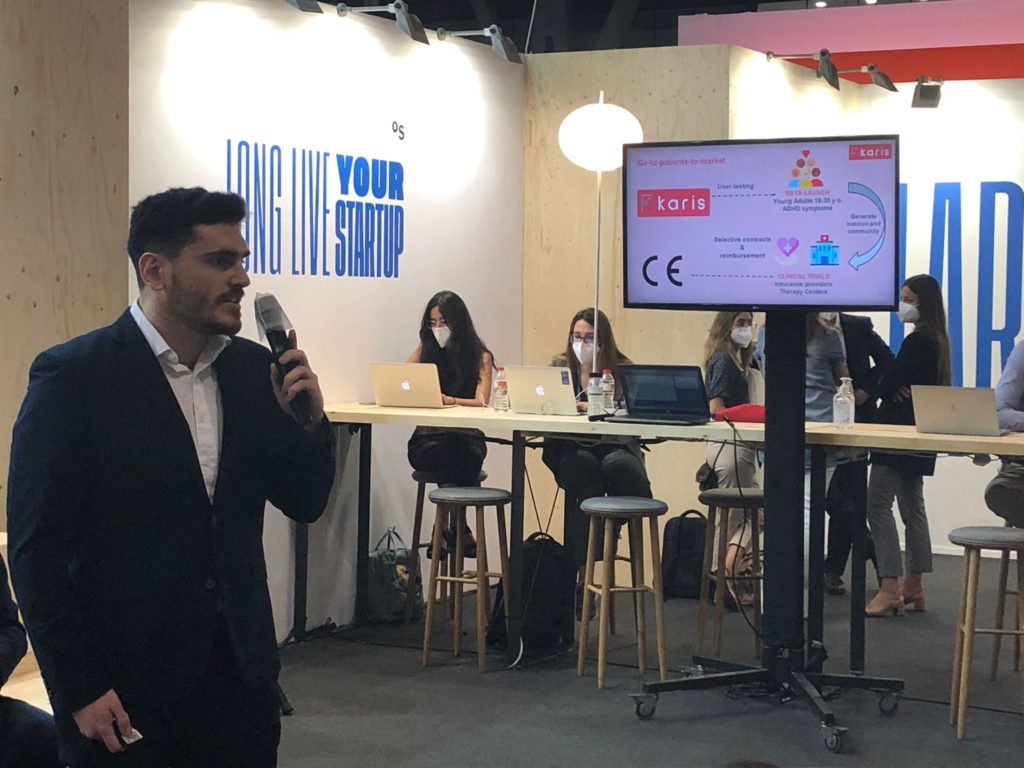
David Garrido, Co-Founder of Karis in the Vision Health Pioneers Incubator, pitches his Berlin startup to an audience at 4YFN in Barcelona

Our Berlin startup Karis attended and pitched at 4 Years From Now (4YFN) in Barcelona, Spain. One of the first major conferences of it’s kind to take place this summer and a strong sign that it’s become possible to travel abroad for events again.

Karis Co-Founders David Garrido and Rubén Nieto López share how the opportunity came about and why it was good practice for INTO THE FUTURE, the next Vision Health Pioneers Incubator Demo Day on 31st August 2021. They were both very enthusiastic with the experience and how it opened their eyes. 

4YFN is famed for its global impact and is part of the Mobile World Congress (MWC) in Barcelona. With 950 investors and 100,000 attendees it’s clear the reach it has. So what was the experience like for Karis?

“We went with the intention of not regretting anything. It was our first conference in some time and so we wanted to learn more about the international startup ecosystem. At first it was quite weird, especially with everyone wearing masks which makes networking interesting, but then we got used to it all again.” David explains.

The opportunity for Karis to attend 4YFN came through the Vision Health Pioneers Incubator mentor network. Aline Noizet, Founder of Digital Health Connector and mentor for the startups who has worked on accelerator programs in Barcelona, Berlin and in the United States. “We were very grateful to Aline for bringing us the opportunity.” David says. “She knew we were interested in the topics being discussed and that, even though we are still at an early stage, it would be a great international experience for us.”

Ruben shares how they approached the conference. “We went there every day as soon as it opened. We attended sessions on anything related to our activities. Whether that was how to use VR and AR in different ways, the topic of art therapy but also how art can be connected to new innovation. We explored sessions on funding, best practices (especially on digital health innovation)  and how to approach investors.” All essential topics for the Demo Day 31.08.21 where Karis will be pitching their business. 

David also had the opportunity to pitch Karis on stage whilst at 4YFN. “It was a nice experience. You pitched to an audience and to a camera. It made me step out of my comfort zone a little. I felt there were different challenges to pitching online but I enjoyed the experience and embraced it.” 

“We both appreciated interacting with other attendees. Whether startups, which in a way helps us track where our business is in comparison but also companies which we could collaborate with in the future.” Ruben explains. “We are very aware we need contacts for growing our business so we tried to interact with doctors, hospitals, institutions and investors. We even spoke with hospitals with expertise in ADHD. There was excitement there and we have brought that back with us.”


David’s takeaway word from 4YFN is ‘hope’. “It’s hope because despite the physical distancing we have all been doing, we are all finding a way to make things happen. There is a startup ecosystem and there are people involved that want to help you and share their knowledge. The most interesting aspect of innovation for me is when different ideas come together and that happens when you can interact with others.” Ruben adds, “It doesn’t matter what kind of business you are, what matters is the problem you are trying to solve. That’s the kind of environment our startup in Germany wants to be in.” 

ALMA holds their first of many international events 

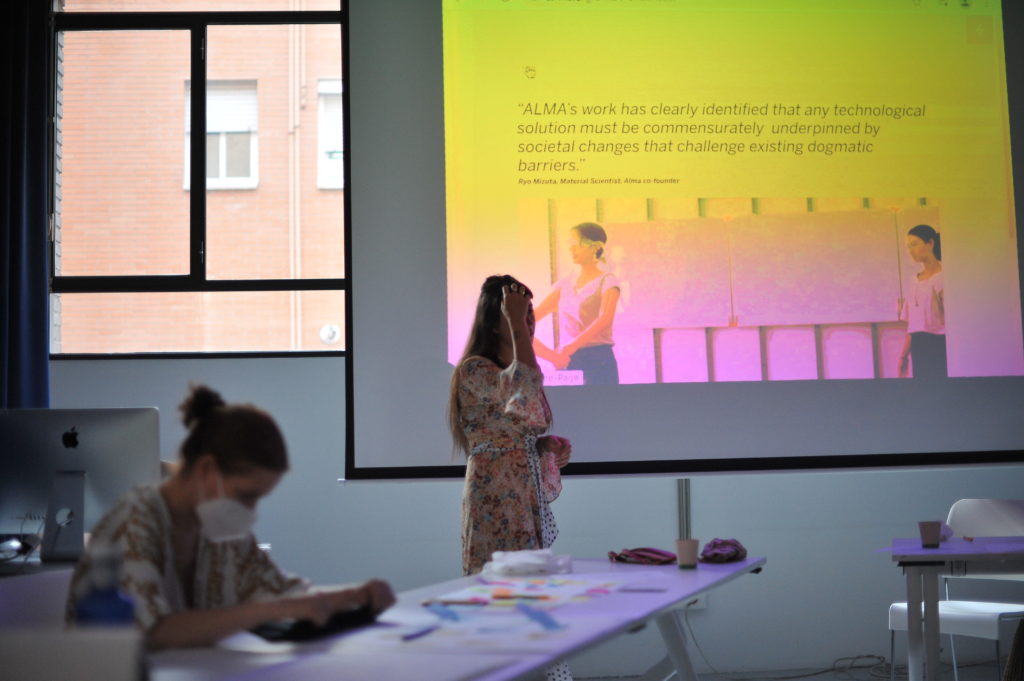
Just last week in Madrid, Spain, ALMA held the first of their international events where they are researching and analysing feedback from attendees. Co-founder Giulia Tomasello shares why having an international focus is important for the development of their platform and their plans for future events around the world.

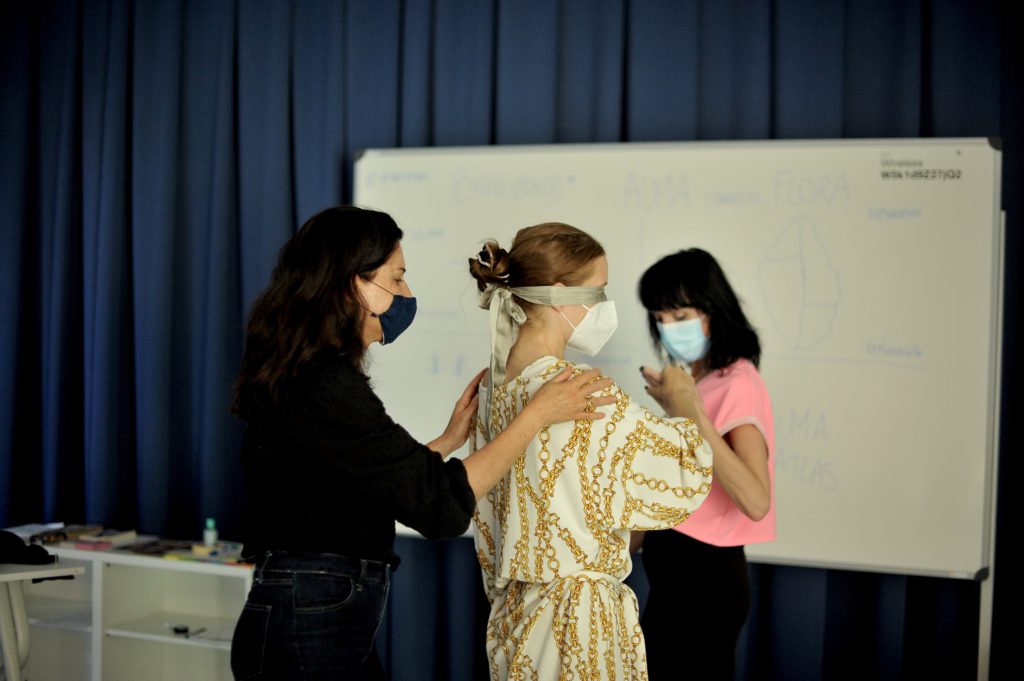
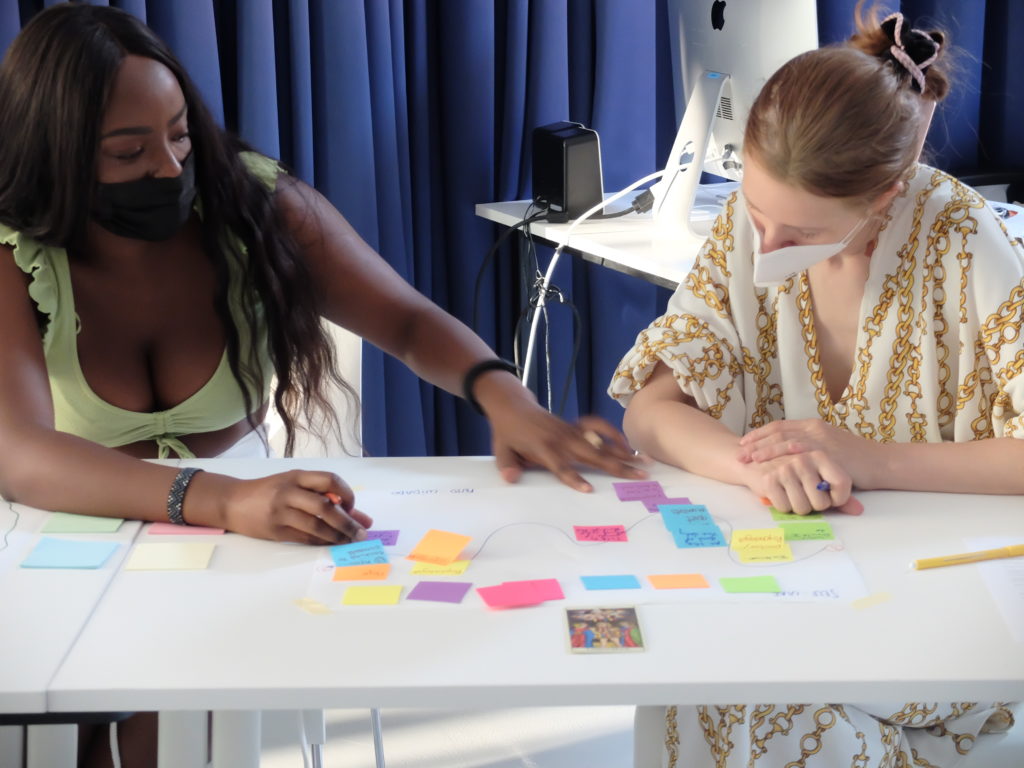
ALMA is developing a community that captures what it means to live in a female body. A safe and inclusive space where stories can be shared around female intimate care. They use the workshops to analyze different points for front and back end development of their community platform. The team in Berlin then also works on the user journey and user interface developments. 

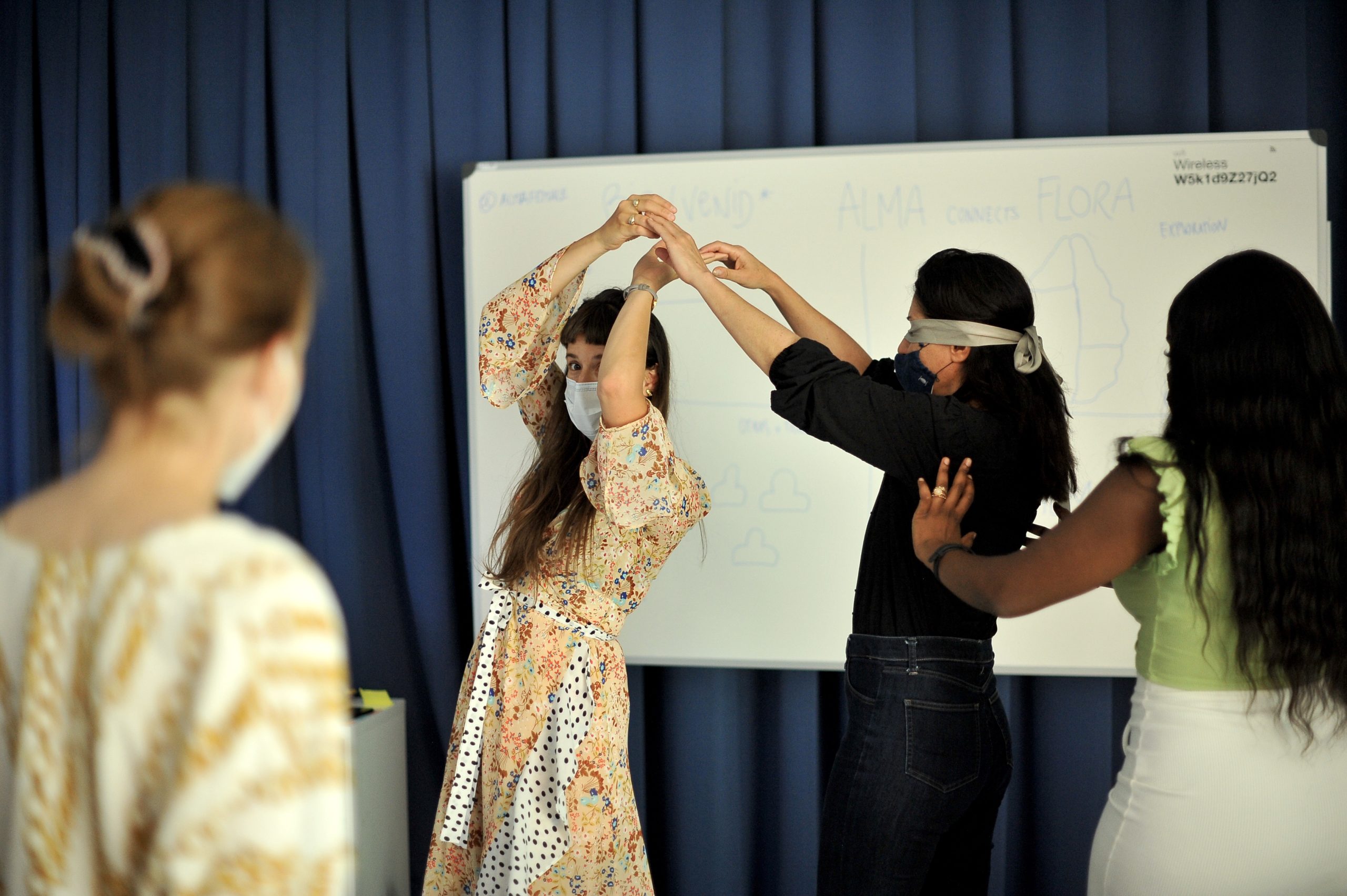
“It can be difficult to find people to talk about something like female intimacy. We’ve found small groups are best for workshops where people join with intention. At our event in July in Madrid we held contact exercises to create trust and then activities to understand a personal journey through self-care.” 

Giulia explains that they are trying to understand the invisible and invisible taboos of society. “What is hiding us from being who we want to be. Are we trying to fulfil parts of a gender role which are not who we want to be, but what society has made us believe us to be.”

ALMA is focused on gathering insights from people across the world because they want their community platform to be a place where all female users will not feel alone. “In our sessions we are taking on board suggestions and feedback from what the majority are saying towards female health. It is a place for sharing experiences and that’s powerful. We are already seeing how fear can be overcome when realising we can solve things and try different solutions.”

Having a platform constructed with input from people is important for Giulia and Berlin startup ALMA. “At the moment we are evolving with ALMA Connects Flora which developed from ALMA Meets Flora. We held events internationally for this first stage of research and now we are looking into what it means to deal with society that doesn’t understand the many sides of the female world.” 

ALMA meets FLORA explores how intimate female health is experienced by women* in our society:

ALMA is currently planning for upcoming events in Germany, Italy, Sweden and South America. For those who cannot attend these events, ALMA has also created an online survey for gathering feedback. 

Giulia summarises why international focus is so important for the Berlin based startup. “We want to know how women all over the world feel and how they would react.”
Categories
Inside the incubator

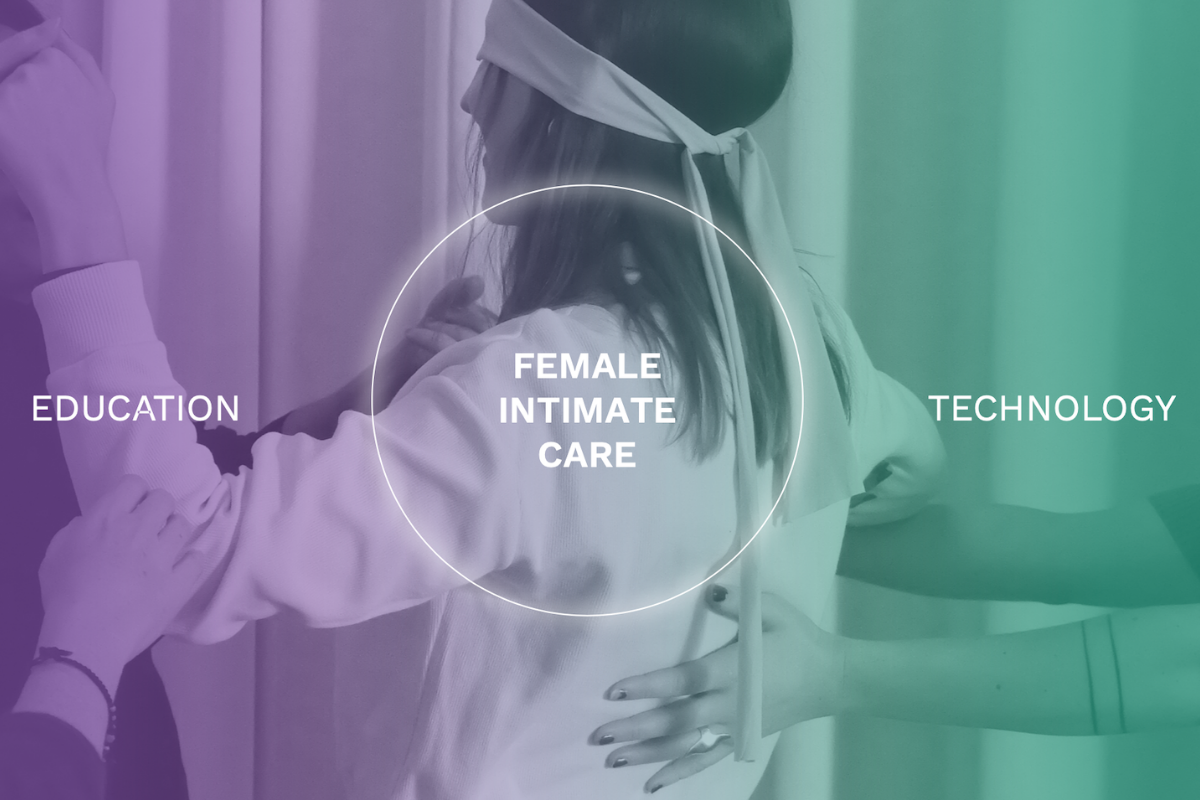
ALMA: Where Education and Technology Intersect

Born in 2018, ALMA fuses design, anthropology and technology in their bid to create a cultural revolution in the area of female intimate care. ALMA is a collaborative practice that connects professionals from all around Europe. Their team comprises of Giulia and Isabel who utilise design and anthropological methods in creating solutions, Tommaso and Ryo who are scientists materialising ideas into products, Tauras a graphic designer, Anjali a data scientist, Alice their design intern and their to be onboarded software developer.
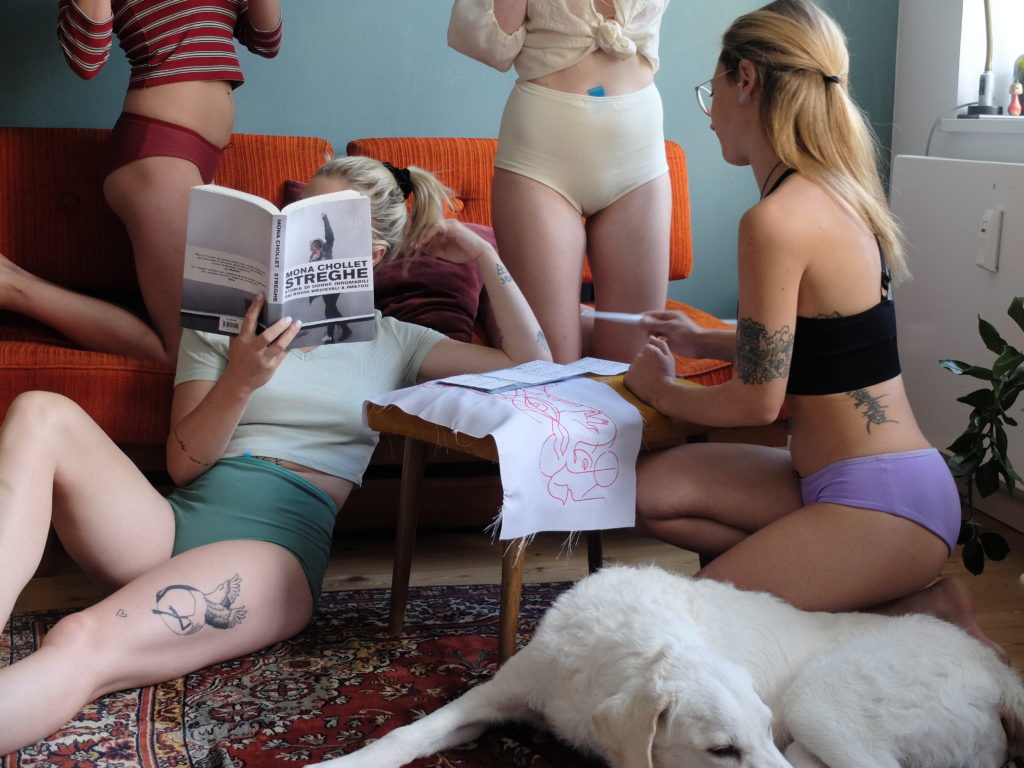
Here in Berlin, they are represented by founder Giulia and Tauras, who have been busy developing a wearable biosensor that monitors the pH in vaginal fluids, setting up a global community platform and completing a book about female intimate care innovation.

ALMA Universe: Creating Cultural Change in Female Intimate CareThrough Education and Technology

Lovingly known as “ALMA Universe”, ALMA’s work sits at the praxis of science, technology and culture. It draws inspiration from the very community it seeks to empower, and to date, they have run numerous workshops exploring the hearts and minds of more than 400 participants across the world.

Their website showcases the extensive work they have done surrounding female intimate health, with aesthetics that echo a Sofia Coppola film. For ALMA, design and aesthetics are political.

“The depiction of female intimate care in society is typically very medical. We want to show the normality that comes with it and with that, of course, the beauty that goes together with it – because it should attract and be something that inspires people to want to engage and know more.”

In designing a wearable sensor, it is not simply designing something beautiful and feminine. Rather, there is a need to ensure a level of comfort for their users. Not just in wearability, but in how it presents on the person. They question everything, including the traditional notions of femininity, its’ aesthetics and the role it plays in the stigma and politics that surround the issue of female intimate care.

“The stigma and silencing behind female intimate care come from a problem within the system, within culture. Our solution in addressing this is to bring awareness through technology and education. To gain profit from spreading awareness sounds like a joke to us. In an industry that is primarily still profit-driven, we are like white flies.”

Throughout their time at the incubator, ALMA has struggled to articulate their complex vision within the strictly enforced 4 minute timed pitch sessions. This is in part due to their unconventional approach to innovation. Essentially their mission is not just the development of a wearable sensor, the technology or the innovation. Rather, ALMA is already looking three steps ahead towards the cultural change their work will bring as their end product.

White Flies of the Femtech World

In Italy, the white fly is the one that stands out as different from all the others. That’s ALMA, who are developing an entirely not-for-profit, non-medical, community platform based on user experience. Inspired by their workshop series ALMA meets Flora, they are aiming to build an inclusive, crowd-sourced community platform around female intimate health.

ALMA sees the value and wisdom of the female body and the sum of their experiences. Building this platform is the first step towards fostering a movement of awareness– a movement that seeks to see individuals empowered and in control of their health through a holistic approach. This platform would serve also to allow open dialogue to take place in a safe space. Dialogue is of great importance, considering the culture of silence that blankets this field. Giving a voice to their target demographic allows for the normalisation of female health issues and the breaking of stigmas and taboos. It also allows for the advocacy of female intimate health that is still regretfully, greatly underrepresented in modern medicine.

“There are so many areas that still fall short in modern medicine when it comes to female bodies. It is such a shame that we are flying to Mars, but still so much is to be known about what’s happening in the female body.”


Language, Community and Co-Creating Knowledge

Throughout their time at the incubator, ALMA have been able to better align with their core values. They are seeking impact investors, perhaps even partnerships where there can be a co-creation of knowledge. Their book, which acts as an introduction to their platform, will be completed in September.

ALMA’s methodology is based on user diaries that describe their current experiences searching for information regarding intimate health. This has comprised of a survey where users’ preferences in terms of features were explored and participatory workshops in different cultural contexts. Data of which has been used to design the platform.

When asked what gets them up in the morning, Giulia speaks about her constant inspiration to bring about this change. For Tauras, it is the realisation that the clock is ticking and there is still much to be done.

Participants who are interested can now access the survey they have recently launched. Here, ALMA invites participants to take on an active role in co-designing the Atlas.


Categories
Inside the incubator

Introducing Karis: The Mental Health Startup Destigmatizing Adult ADHD

While completing his master’s degree in Barcelona in November 2019, David Garrido came up with an idea to improve mental health treatment. Karis was born.  Like many young entrepreneurs Garrido and his co-founder Ruben Nieto Lopez—a friend from university—had no masterplan in mind. “I didn’t have any idea how to do that,” Garrido, now Karis’s CEO, confessed. “But I knew there could be massive potential there.”


DavidThe two honed in on adult ADHD, an underdiagnosed condition that’s often overlooked in the mental health space. Garrido had experienced mental health challenges of his own; he was well aware of the stigma that still plagues this community, and he and his team have—in just a short time—set out to democratize the support of mental health treatment.
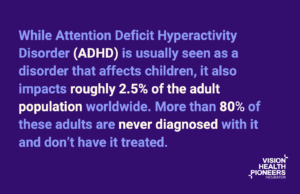

“When we started this project, it was just an idea with a lot of uncertainties,” David Garrido explained. 


Today, it’s a gamified solution blending the arts, science, and emerging technologies to treat adult ADHD – and one of the six startups currently enrolled in the second cohort of the Vision Health Pioneers Incubator.

And while the road towards a working prototype and long-term financial success has not been easy so far, David Garrido is still in love with the concept and will continue working on Karis for many months ahead.

A Gamified Treatment Solution

What, exactly, does Karis entail? The platform features a series of mini-games: games using art as a stimulus, encouraging adults with ADHD to improve their memory and build other relevant skills.

“We’re looking for a holistic treatment,” explains Rubén Nieto López, co-founder and CTO of Karis. “The emotional component is important—so the content is more important than the technology.”

The technology, however, is nonetheless paramount to the user experience. Over the next decade, virtual reality is slated to become one of the most prevalent technologies in existence. Karis hopes to lead the charge as a mental health startup, and while they currently use a browser-based version of emerging VR technology (known as WebXR), they’re keeping a close eye on the future of tech.

Rahul Thangaraj, Karis’s VR Programmer and Developer, considers the platform a “one-stop solution for all your ADHD problems.” He’s diving deep into the game mechanics behind the platform, utilizing his master’s in virtual reality to make the best use of gaming as a viable treatment solution.

For now, however, the team’s top priority is on the user: that is, on guiding the user through a gamification room, allowing adults with ADHD to perform certain exercises and trigger specific activities. “We are using artistic stimuli,” said Nieto López. “Art can be dancing or painting or music—used as a stimulus to improve the engagement in the mini-games we want to incorporate in our platform.”

It’s all in an effort to help adults with ADHD manage their symptoms more effectively.

Adult ADHD: An Overlooked Mental Health Condition

A key question: Why did Team Karis decide to focus on people with adult ADHD? What’s more, Team Karis hopes to shed light on the fact that people with ADHD are very sensitive—an empowering trait—and that both adults and children may grapple with the condition. Another differentiator is that Karis features a strong emotional component that isn’t always present in other therapies.


As one of the most under diagnosed conditions in the world, this aspect of the startup is critical.

“That’s why I’m so passionate about it,” added Karis’s COO Alissa Del Toro. “Culturally, for me, it’s a faux-pas to even go to therapy, or talk about mental health, because I’m supposed to be seen as a strong, independent woman who’s blazing a trail.”

While the stigma is unfortunate, the founding team is confident that platforms like Karis—and the fact that Germany is so steeped in health tech—will eventually shift the mindset involving mental health.

What will make Karis a success in the next few years?

Alissa“I feel that we are pioneers in this space,” said Del Toro.

“If we can at least get people talking about adult ADHD in the way that we do—if we can get to the point where someone can say, ‘hey, there are options for managing your ADHD, through this game and through other treatments’—if we can do that, and become a trailblazer in this new mindset, and open up the market, and increase research in the field, then, to me, we’ll have been successful.”

Granted, there are challenges to overcome in the meantime: among them user adoption, since Karis was built on a groundbreaking concept, and it will need to be introduced in the space before people truly understand it.

In other words, while emerging tech has become more popular in recent years, Team Karis will need to get their platform in front of as many people as possible to achieve meaningful results. The overall trajectory isn’t unlike what Uber and Lyft went through 10 years ago, however. People were initially quite skeptical of ride-share platforms, and it took time for the public to get used to these digitized solutions over simply hailing a cab.

Breaking that mindset, in this way, will be key to combatting challenges. And this can be solved simply by putting Karis in front of people—by asking adults with ADHD, or ADHD symptoms, to take a look at the solution and see how it goes.

Even helping just one person would make a real difference.

Ruben“If I travel around the world and see someone using Karis, and they say it’s changed their life, that would be amazing,” said Nieto López. “Maybe they don’t know who I am, but I want to ask them about the result of the product somehow.”

The platform, it’s worth mentioning, will be accessible to the public shortly. Team Karis has started testing in June 2021. From there, they’ll have a clear-cut strategy—and in just three or four months, they’ll have their product. (PS: In case you want to become an early user, please reach out to Karis via info@karisdigital.com.)

It’s a busy time as the world begins to reopen. That said, Team Karis is working hard to get their MVP as soon as possible and access the funding they need to continue making progress.

“Personally, I think I have learned a lot in the last few months,” shared Nieto López, “because in the startup ecosystem, you change a lot from one week to the next. The learning process never ends.”

With founding members from Spain, India, and the United States, they’re a diverse yet close-knit group.

“The biggest power of Karis lies in how different each team member is,” said Garrido. “We all have many different ways of thinking, and different mindsets, which is something that plays out in our discussions.”

At the end of the day, this gives Team Karis a broader view of what they are trying to do. Throughout, they intend to put adults with ADHD at the forefront of their vision.


Check out the Karis Website: https://karisdigital.com


Categories
Inside the incubator

Celebrating PRIDE: LGBTQ+ Health Matters and Why It Matters

In honor of Pride month, Vision Health Pioneers Incubator is taking the opportunity to give prominence to issues in the healthcare industry experienced by our friends in the LGBTQ+ community.

The Call For Inclusive Healthcare

Despite the many advances in healthcare today, access, representation and inclusivity in healthcare remain an issue of contention for the LGBTQ+ community. They continue to face significant challenges when accessing healthcare while also suffering a greater burden of particular health issues: depression, isolation, suicide, HIV/STIs and cancer.

The healthcare industry strives to inspire hope and to their best of their ability provide patient-centered healthcare. However, LGBTQ+ and minority patients continue to report experiences tainted by stigma, hate-violence and discrimination. Surveys have reported experiences that range from refusal to be seen, addressed with harsh or abusive language and misgendering amongst a disturbing list of other harassments and humiliations when seeking care.

This has unsurprisingly discouraged LGBTQ+ people from accessing healthcare. While LGBTQ+ community health centres and services do exist, they are not as widely available or easily accessed. There remains as well, a distinct lack of knowledge amongst healthcare providers on the correct anatomical language to create a safe space for all. As providers struggle to describe bodies and patients outside of gendered terms, this gap in communication has left a demographic of people feeling entirely unseen and unheard.

These barriers in accessing healthcare is a trauma in itself. Inadvertently, it contributes to the vulnerabilities and health risks of LGBTQ+ people who opt out of seeking medical attention for fear of being othered.   

A majority proportion of national health surveys that do not collect information on sexual orientation and gender identity poses as a furthered form of discrimination. Again, while there have been improvements and greater attention in recent years, there remains a distinct health data gap for LGBTQ+ people, with their specific health risks being left out entirely in what informs public healthcare.


Undoubtably there is a need for enhanced awareness amongst healthcare providers and greater community consciousness. In looking towards health innovations that could help fill the gap in healthcare for this community, digital health tools are emerging as essential.

Digital Health Tools and LGBTQ+ Health

In an era where digital communication is preferred, mental health innovations that allow for support via text and calls are providing a much needed space for people to reach out digitally in a moment of crisis. The increased anonymity through digital applications as well, allows for a wider spread and hopefully more inclusive demographic that will seek out support. Meet a few organisations that inspire:

Online platforms allow individuals to access culturally competent healthcare and come together in a digital safe space. For instance, sites such as Violet and EmptyClosets that allow members of the community to connect.

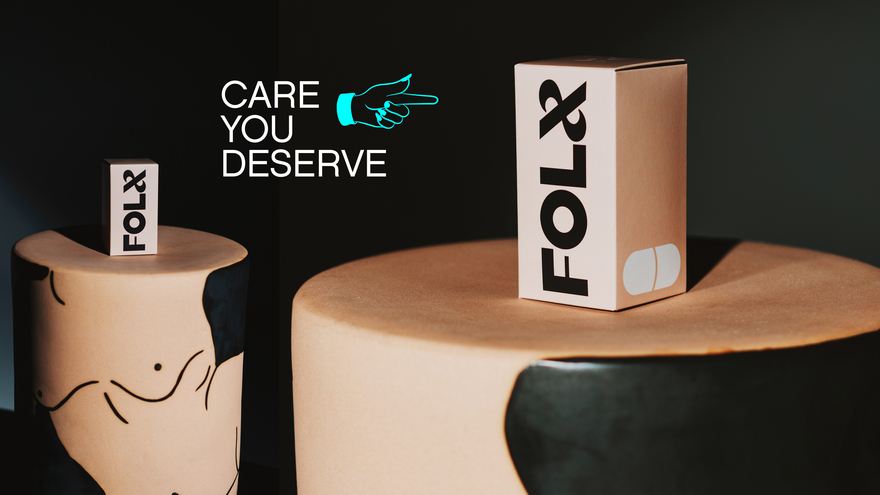
Also read more here on Foxl Health, the direct-to-consumer health startup designed with LGBTQ+ patients in mind and how other digital health startups are driving the change towards more inclusive healthcare.

Closer to home within our incubator, our Batch #2 team minime have been working on a self-monitoring Cognitive Behavioural Therapy tool. It serves to introduce greater flexibility and ease of access in therapy and allows patients to self-monitor between sessions in a fun way.

Our Batch #2 team ALMA recognise the value of connection, education and dialogue. They are working on creating a community platform to tackle the stigmatised and often silenced issue of female intimate healthcare

A long road is still ahead

This shift towards digital health tools prioritising health education in an open, culturally relevant environment is an encouraging step towards greater inclusion in healthcare. While much work remains to be done, there is hope that the future holds improved healthcare prospects for the LGBTQ+ community.

To all the founders out there: KEEP THE NEEDS OF THE LGBTQ+ COMMUNITY IN MIND AND CREATE INCLUSIVE SOLUTIONS THAT EMBRACE ALL PATIENTS NEEDS.


Categories
Inside the incubator

Wavy Health’s dulcet innovations are the future of cardiology care

Music has a powerful effect on us, but researchers have only just begun to scratch the surface in exploring the extent to which listening to our favourite songs can alter our state of mind and health for the better. This is an area of research with a wealth of possibilities for the healthcare world, and a space that the incubator startup Wavy Health has tapped into to generate a great, multifaceted concept. 


Specializing in cardiology, they are creating an application that uses wearable technology, songs and deep tech to treat INOCA, a heart condition that disproportionately affects women, and which can be challenging to diagnose and monitor.

Their app is especially powerful in helping its user identify the sources of their own stress in daily life, which is vital to managing and offsetting INOCA’s symptoms.

Wavy Health’s Lian Kuiper explains the condition as tied to angina pectoris, that is, chest pain –one of the world’s most common heart disorders, with one out two angina pectoris sufferers also having INOCA. 

An accessible app that helps track vital data using cutting edge technology

The perplexing heart condition is short for Ischaemia and No Obstructive Coronary Disease– and manifests when blood supply to the heart is restricted even when there aren’t any blockages in the coronary arteries.

Diagnosis and treatment is difficult and often misunderstood, with its conditions often not showing up on usual tests like ECGs and routine angiograms.

Sufferers can find themselves experiencing what feels like a heart attack only to be told that there is nothing wrong with their heart, and sent home from emergency rooms none the wiser about how to manage their symptoms.

A condition that disproportionately affects women

When their condition is correctly diagnosed, patients can be given medication, and are told to make lifestyle changes– particularly those that reduce stress. One of the many challenges here is a gendered one: two thirds of sufferers are women, and yet, the majority of research centres around the experiences and treatment needs of men. 

This means that when it comes to important matters, such as how much medication a female INOCA patient ought to take, cardiologists are still in the dark.

This dearth of research is one of the reasons Lian Kuiper was curious to join Wavy Health’s mission, which she did at the start of this year, as they began as part of our second cohort.

She joined the startup three years after its co-founders, Steve Thijssen and Daryl Autar, set out creating solutions to heart problems– a pursuit that won his team the top prize in 2018, at Biome, a hackathon held by Norvartis in San Francisco.

Wavy Assistant
The winning team in 2018

While Steve’s background is in IT and business, he took very enthusiastically to the world of healthcare, and especially enjoys the stimulating “craziness” of the hackathon experience. The incubator life is equally electrifying, and his enthusiasm is shared by Lian, the team’s “research queen”.

Steve says that he’s especially pleased to have joined an incubator programme based in Germany, a country that is especially on the ball when it comes to supporting startups operating in this space, in terms of both funding and the degree to which digital health solutions are increasingly afforded legitimacy. This said, the tome of documentation involved is proving a lot of work, and is keeping Lian especially busy. 

The healing sounds of music

While the initial plan had been to focus on heart failure, Steve and his co-founder adapted their approach and mission to first addressing INOCA. 

This new direction was prompted by several conversations with cardiologists, including noted physician Prof. Dr. Angela Maas, who emphasised the role stress management plays when it comes to offsetting INOCA’s symptoms.

https://www.youtube.com/watch?v=WBOjmusT78Y&t=1s
Wavy Health will use wearable technology to analyze heart rhythms and sharing that data with healthcare professionals

Maas focuses on female cardiology patients, and is attached to the Netherlands’ Radboud University, an institute that now works closely with the Wavy Health team to help provide the data going into a digital health app that acts as personalised medicine for stress reduction.

With a recent new addition to the Berlin team – Simona Sendroiu, a UX designer, and Greek medical illustrator Mano Kapazoglou – Wavy Health now boasts four members in Germany, working together to push the boundaries of what is possible when it comes to treating heart conditions like INOCA, while empowering sufferers to take control of their health.

While INOCA is the focus now, there’s plenty of scope to use their technology to address a range of cardiovascular complaints, including generalised chest pain and hypertension.

“We wanted to focus on one group now, because it’s more specific,” Steve explains.

For now, we’re pleased to see the team employ this focus and hit the ground running, bringing a much appreciated drive, exuberance and the spirit of collaboration to the incubator.

“A startup is like a roller coaster. Sometimes it goes well, sometimes it’s crazy,” says Steve. Lian agrees. “Yes, it’s definitely a challenge, but we make the best of it”.


Categories
Inside the incubator

My Paramedic: Spotlight on the Startup Offering At-Home Digital Personalised Cadiotherapy

What do you get when you combine a software developer and part-time programmer, an emergency medicine professional and an innovative idea?

The answer is My Paramedic – but the early-stage startup didn’t come out of nowhere.

Founded in Belarus by husband-and-wife team Dmitry Solovyov, CEO, and Olga Solovyova, CMO – along with software developer and CTO Denis Moskalev – the company has created a mobile solution that helps people recover from a heart attack at home.

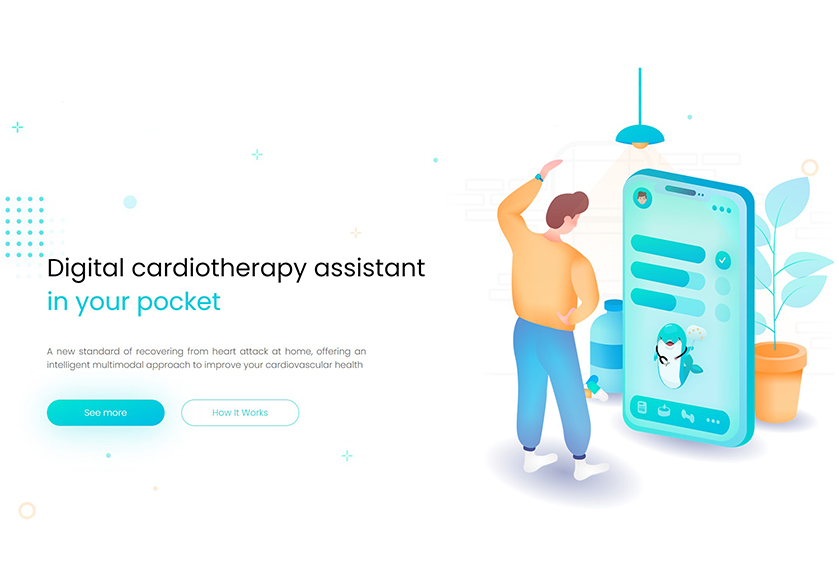
You might think of it as an intelligent pocket cardiotherapy assistant.

Reducing Long-Term Risk with At-Home DIGITAL PERSONALIZED CARDIOTHERAPY


In addition to facilitating recovery, My Paramedic motivates people to maintain their health balance and reduce their risk of experiencing an additional cardiac event.

Rooted in technology, users perform physical exercises by playing an interactive game. The built-in AI monitors each patient’s condition by asking a few questions and reading their vital signs through smart wearable devices – and then analysing data throughout this process like a real doctor usually does.

“We’re not a rehabilitation app,” clarifies Solovyov. “My Paramedic is a mobile app that provides personalized cardiac therapy and support for patients at home.”

The app isn’t a telemedicine platform, nor is it meant to substitute doctors, medical treatments or prescription drugs. Rather, My Paramedic offers digital therapeutics. Patients can use the product between doctor’s appointments and adhere to the therapies if they experience specific symptoms. It’s also ideal for those in search of additional cardiac treatment rehabilitation, or a post-rehabilitation model.

“We are more like a digital assistant with digital therapy,” the startup’s CEO explains. “Our mobile app supports and motivates users during the whole process, and we focus on personalization.”

With all the content based on clinically-backed German cardio guidelines, the app can either integrate with the user’s wearable devices or address the individual’s needs based on information they input themselves.

“If the user doesn’t have, or doesn’t want to use their device, the mobile app will ask a few more questions and make a decision on how to update the individual therapy plan,” says Solovyov.

The benefits of cardiac rehab and post-rehabilitation are expansive:

  • Patients are 40% less likely to experience a repeat cardiovascular event.
  • They are 25% less likely to die as a result of a cardiovascular event.
  • There is a 38% to 53% increase in patients’ rate of return to work, with an overall cost savings of $12,000 per person.

A compelling part of the app is that users don’t have to complete the exercises alone. My Paramedic is home to a personal digital assistant named Hearty, who is available on the mobile app to help people achieve their goals, earn rewards and leverage the support of their community.

“We believe that therapy must be intelligent,” says Solovyov. “It doesn’t have to be boring, and our product doesn’t change your past – but it can improve your future.”

Startups and the Power of Pivoting


Dmitry Solovyov, Co-Founder of My ParamedicThe idea for My Paramedic came from the CEO’s background as an EMT. From Monday through Friday, he worked as a software engineer – and on weekends, he was a paramedic assistant.

That was how he met Olga Solovyova, a paramedic and his boss on occasion. In their native Belarus, paramedics can make decisions just like any doctor. When, one day, their colleague felt unwell and worried she could lose consciousness, Solovyov had an idea: Wouldn’t it be great to call an ambulance automatically, based on a person’s vital signs, to save time?

This was the initial concept of My Paramedic. However, a number of barriers forced the team to pivot. All the software and hardware components of the platform, they learned, would have to be medically-certified. (The smart watches and fitness trackers they hoped to use didn’t have the certifications they needed, which was the first setback they faced.)

When additional legal risks came to light, they switched gears entirely – and the three cofounders decided to focus on recovery from heart attack and the digitalization of cardiac therapies.

“We kept almost everything from our MVP,” says Solovyov. Yet pivoting proved challenging in many ways.

“It was hard to take one step back and do the same job again [with a different focus],” admits the CEO. “I would say we lost a bit of our motivation, but we did it.”

They often repeat one famous phrase to remain driven during the most uncertain times. The translation is: Rise and rise again until lambs become lions.

Cultural Adaptation: From Belarus to Germany


Initially, Solovyov admits My Paramedic started just for fun.

“We wanted to do something useful for people,” he explains. “Medicine was my hobby. Programming was my profession, and I decided to create some symbiosis of medicine with IT.”

Though relocating from Belarus to Berlin marked a significant change, the cofounders were ready for it.

“Many years ago, Dmitry [Solovyov] shared with me his thoughts that he wanted to create an application that will help people,” says Solovyova. “I looked at him and said, ‘Are you crazy? How is it possible to measure a pulse with your bracelet or watch?’ But I realized that yes, actually, we can do something interesting.”

Today they reside in Berlin and are eager to settle in their new environment. They are finding Germans to be more open than their Belarussian counterparts – but less generous with their time, because people’s schedules seem to be fuller than in Eastern Europe.

The lifestyle is faster-paced here in Berlin, no doubt – but perhaps this is exactly what My Paramedic needs to bring its product to fruition. Moving forward in 2021, the cofounders hope to register their company as a legal entity, begin working towards their 650,000-Euro investment goal and prepare their product for beta-testing.

They also plan on staying in Berlin. “We already got a residence permit,” says Solovyov. And over the next three years, the My Paramedic team hopes to launch their product in Germany – implementing a sound reimbursement strategy and capturing 10% or even 15% of the market.

Strength in Numbers with Vision Health Pioneers

The My Paramedic cofounders claim they’ve had an empowering and informative experience in the Vision Health Pioneers incubator.

“VHP is about people who want to change the world with you,” says Solovyova. “We got more than just support. We appreciate every person who shared their experience and knowledge with us.”

It’s also worth noting that the experiential aspects of the incubator – pre-COVID-19, of course – alleviated the stress involved in building a company from scratch. From team-building barbecues to kayaking excursions, these elements played a crucial role in the team’s transition to life in Germany.

In addition, Solovyov claims Vision Health Pioneers gave him the tools he needed to start thinking like a businessperson.

“It’s the main benefit that I got from here,” says My Paramedic’s CEO. “And this factor affected me, our team and our product – and as I’ve mentioned, it’s forced us to take a step back to avoid potentially more serious mistakes.”

While roadblocks and other challenges cause stress, they’re better addressed early on in the startup game than several years down the road. Yes, My Paramedic has pivoted – but the young company is now on a path from which all parties can benefit. The platform offers an enticing approach to at-home cardiac rehab users won’t want to miss.

Categories
Inside the incubator

biotikur: The Startup Transforming How We View Gut Health

Founded by Junayd Mahmood and Isabel Sousa, biotikur creates evidence-based products designed to balance and maintain the gut microbiome. With biotikur’s Brand, Content & Community Lead Emily Phillips now involved in getting the word out, the team is transforming the way we perceive and manage the gut.

Leveraging Science to Improve Gut Health


The objective at biotikur is simple: to leverage the new science on gut health and the microbiome to enhance a number of other outcomes linked to the digestive system.

These include common symptoms such as gas and bloating, along with less obvious (but no less relevant) outcomes like mood, weight and metabolism. And while the research is admittedly new – 80% of existing studies on the gut microbiome have been published in the last five years – scientists are increasingly aware of its true impact.

What can consumers anticipate from the startup? According to Emily Phillips, they can expect “bold products developed at the cutting edge of nutritional and scientific research.” Having witnessed the team’s speed and focus during the program, we couldn’t agree more: during this time, biotikur completed multiple product tests and iterations and launched two product lines to the market.

Mahmood adds that biotikur is more than a unique product. He and his team don’t simply want to create a pill people can take to avoid changing anything else in their lifestyle. “That’s kind of an issue,” he adds. “The current system isn’t set up to change any of the root causes of health problems. It just addresses the symptoms.”

This is where biotikur comes in. The young startup aims to embed each product with consciousness and awareness about the body – about what makes people feel good and perform better. There’s also an element of improving one’s nutrition, with the idea of each person taking their health into their own hands.

“There’s a growing sense that all is not well,” says Phillips. “That the planet isn’t well, and that we aren’t well.”

To address this, we must revisit what we consume – that is, what we put into our bodies. And while these aren’t easy changes to make, biotikur is working to improve awareness of gut-healthy lifestyles.

Inspired by Family: Developed for People Everywhere


Why the gut microbiome?

It’s all about creating a sense of balance in the gut and beyond, from the mouth throughout the body. The gut contains trillions of bacteria, and when the bad bacteria overtake the good, bad things happen. This imbalance is called dysbiosis.

Dysbiosis can, however, be restored. For one of the startup’s cofounders, restoring it is very much a family affair.

“The idea [for biotikur] originally came because it was becoming more and more of a topic for me personally,” explains Mahmood. “Both of my younger siblings have quite significant digestive issues.”

Mahmood’s younger sister has Coeliac disease – a serious autoimmune disease. His younger brother was prescribed some serious antibiotics around the age of 12 or 13, and he struggled with intensive digestive distress for months at a time. His parents are also type 2 diabetics, which further reinforced his interest in the topic. (Diabetes is linked closely to gut health.)
“Basically, the personal motivation for me to look into this was quite strong,” says the cofounder. “It was kind of a gradual interest and a quite personal story that drew me towards this.”

From there, Mahmood and his team explored the scientific elements of the gut. It’s the blend of science and personal history that fuels the company today.

“If I were doing this purely for economic reasons, then I find that’s not as strong of a day-to-day motivation,” says Mahmood. “But when it’s connected to people you care about, and lots of other people out there, you can deal with the setbacks because you have an extra reserve of motivation.”

With COVID-19 shutting down labs and GMP production facilities, there have been plenty of setbacks this past year in particular. Yet biotikur persists. In the next three years, they hope to cement their reputation as Europe’s premium brand of reference for evidence-based, cutting-edge gut health products.

The Evolution of the biotikur Product Line


The Berlin-based startup strives to be approachable and empathetic.

“One tremendous asset that we have is that biotikur is personal, and it’s authentic,” the startup team shares. “The products and the ethos we’re putting out are really aligned with what we want to see in the world.”

This same ethos has driven the development of their first product: the 14-Day Regimen, which features a blend of probiotics and prebiotics, and includes a rectal application. 

What was novel about the product, and supported by evidence, was the direct application of probiotics in order to maximize the levels of good bacteria in the gut microbiome.

Since then, of course, biotikur has released additional products – including oral products – based on peer-reviewed science and real challenges people face. The team believes in integrating an educational element into each product, or something that directly helps consumers improve their nutrition and overall gut health.

The results are in, and consumers are interested. biotikur currently has a waiting list, though they are on the cusp of developing a ready-to-order subscription bundle called biotikur balance (a pre- and probiotic oral supplement made with more than 50 high-quality plant ingredients).


When biotikur joined Vision Health Pioneers, they were focused on their product above all else: on getting it developed, tested and in the hands of their users.

The incubator, however, helped them take that focus to the next level – allowing biotikur to ensure they were asking the right questions, undergoing the correct processes and truly optimizing their company for the right people.

“Just that support, and being able to learn from the journeys of other startups in the cohort, was super valuable for us,” says Mahmood. “I don’t think we could have achieved what we did on the scale we did, and as quickly as we did, without the support of Vision Health Pioneers.”

The truth is that all early-stage startups benefit from the unique energy of their peers. There’s a sense of genuine excitement as it relates to working on new and exciting – and, of course, necessary – topics.

“With startups, there are always more questions than answers,” Mahmood continues. “It’s really easy to feel overwhelmed, but VHP has that environment of energy and fresh motivation.”

While things are different in lockdown, young startups can and will persist through the pandemic. To that end, incubators aren’t going anywhere either. Being in a place with other passionate, likeminded people can be very energizing.

“It can be quite a grab bag, and also quite up and down when you’re dealt with setbacks,” Mahmood confesses.

But when there are successes, or even small successes, a group environment can make all the difference. There’s a genuine strength in numbers, and we all benefit from being around people who are going through similar experiences.

This, perhaps, brings us right back to the importance of gut health. The gut microbiome can be managed effectively with the right tools – because to varying degrees, it is something we all must deal with. And biotikur is here to transform the way we manage it.

Categories
Inside the incubator

Inspired by Mothers: Developed for Women Everywhere

The idea for hers came from an unlikely but empowering place.

“I was working a few years ago with a gynaecologist on a research project where I designed pessaries, which are silicone devices that support the pelvic floor from inside of the vagina,” explained Yair Kira, cofounder and CEO of hers. “After this project ended, I realized there are new technologies that can be introduced to this space”.

Kira comes from a 3D printing world, and the potential of an individualized solution deeply inspired him. Yet hers came from a much more personal place than that. During this same research project, Kira’s mother approached him.

“She said, ‘Yair, maybe you can find a solution for my problem,’” Kira recalled.

From this seemingly innocuous conversation, the start-up’s CEO became aware of the true extent of the need for the product. “The more I started to work on it, the more I saw women just openly talking about their pelvic health challenges.”

And so hers was born. With cofounder Hugo Silva by his side and later Linda Wonneberger, now CMO, Kira cultivated a tangible, medically-based solution for pelvic floor dysfunctions (many of which may cause incontinence and other issues). The three entrepreneurs have developed a soft silicone inflatable device providing individualized support for the pelvic organs. Used in tandem with the hers app, which offers long-term pelvic floor training, women can take back control of their health – all while connecting with like-minded people and medical professionals.

“My mom always wanted to be the first customer,” Kira confessed. “I think for her, it’s great to know a solution that works for her will also be a solution for a million other women around the world.”

hers seeks to do just that – to help women from across the globe overcome their pelvic health challenges in the earliest possible stages of their pelvic organ descensus. The device presents a smart and easy solution that women can use at home. Made with biocompatible silicone that inflates inside the vagina, the hers pessary is a custom solution for women, designed with each person’s pelvic floor in mind.

A simple electric pump allows women to save their individualized settings. From there, the pessary adjusts to the right fit for the patient in question. Women can wear it daily similar to wearing a menstrual cup. The support of the device will provide them an immediate relief from the symptoms while strengthening their pelvic floor by interacting with the app and completing muscle training exercises throughout the day.

Kira explains the point of sale is all about offering an innovative solution: that of a connected device designed exclusively for women. The custom fit and long-term treatment approach is unprecedented in the women’s health space.

Entrepreneurs Empowering Women


“Half of the women population will experience pelvic floor dysfunctions during their lifetime,” the hers founders describe. “But there is a big taboo around it.”

And so, the entrepreneurs have launched a start-up with the goal to open the discussion and fill the gaps in knowledge surrounding this topic.

“In history, women have been under-represented when it comes to medical issues,” says Wonneberger, CMO of hers. “This is also a reason why women have learnt to be ashamed of the health issues they have.”

The hers team truly makes a point of encouraging women to engage in candid discussions about their health. By doing so, women can begin to care for their pelvic floor far earlier than menopause, and as a result, shed light on common issues by treating them in the very beginning stages.

It’s an empowering approach meant to put women’s health back in the hands of – you guessed it – women.

And hers’ three founders have witnessed first-hand the impact of their approach. While shadowing doctors at the Pelvic Floor Centre in Berlin, they interviewed a number of women patients and found just how important it is to provide a listening ear – to humanize medical care, if you will.

“Patients just want someone that will hear their story,” Kira said of their role. “Someone who won’t treat them as part of a machine, like a car that goes to the garage, gets something fixed and then goes away.”

In the same way the entrepreneurs believe healthcare should be personalized, the FemTech start-up has found that treatments should be personal. Women deserve the opportunity to tell their stories and be heard.

“So many women talk about it,” Wonneberger added. “They say, ‘You know, I’m 55, and I love my life. But when I go outside, I have to calculate exactly where the next toilet is. If it’s more than half an hour away, I cannot go to play with my grandchildren because I’m in fear of incontinence. So I’m staying at home.”

This, the entrepreneur explains, affects women’s lives more than most could possibly imagine. And how could anyone fathom what these patients go through, when taboo yet treatable pelvic health challenges are only rarely talked about?

The Power of Diversity in FemTech


The hers team is one of measurable diversity – not only in terms of gender and religion, but in background as well.

“I think having a diverse team is a big advantage, because Hugo Silva and I are maybe in some parts similar – we both come from product design, or industrial design – but we managed to do a separation,” says Kira.

As CTO, Silva is now spearheading the start-up’s design and development – including the corporate identity, user-focused design of the app and hardware, all according to the regulatory requirements. Kira is focused on the broader view and the financial side of things. Wonneberger, meanwhile, as CMO, offers a women’s point of view, plus extensive experience as a female founder in the FemTech space. The seasoned entrepreneur is behind companies such as Comfexy GmbH, CUCA BY LINDA and LindaBra.

“We have clear responsibilities in different areas,” states Wonneberger, “and we connect quite well because obviously, Yair [Kira] has lots of experience working with gynaecologists and in that area.”

The hers team boasts a growing network of gynaecologists Kira has cultivated from the early stages of his career and through their time in the Vision Health Pioneers incubator. They’ve gained strong connections over the years.

“And the fact that we had a gynaecologist as our key manager who could connect us with her peers,” Kira adds, “that was a really big advantage.”

Beyond the Incubator


Though leaving the incubator is daunting in theory, practically speaking, the hers team is ready for the next step in their entrepreneurial journey.

The early-stage hardware FemTech start-up is looking to secure 500,000 Euros to develop the hardware component of their device, along with their app, and connect with business angels who might be willing to join them in realising the vast potential of the pelvic health field.

“Our goal is to become one of the most successful FemTech companies by offering millions of women around the world an effective treatment for pelvic floor dysfunctions,” they describe in their three-year vision. “And together with them, to expand the knowledge and awareness around the pelvic floor.”

By continuing to increase awareness in this way, hers will introduce women to a powerful network, allowing them to treat common issues and ultimately feel heard. The start-up is deeply committed to making it happen.


Want to see team hers in action?

Watch their pitch from the Vision Health Pioneers Demo Day right here! See what they achieved during their time at the incubator and get a clear understanding of their product:


Categories
Inside the incubator

Welcome Batch #2 of Vision Health Pioneers

The time has come to introduce our Batch #2 teams to you!

In January 2021 we welcomed 21 young founders with 13 different nationalities into our program. Out of 140+ applicants they convinced a jury of experts and conquered the multi-stage selection process of our incubator. 17 of them had a long journey to kick-off their healthcare startup in Berlin. They came from Italy, Spain, the Netherlands, the US, Austria and other countries to join our startup hub.

We are very excited as well to tackle new sectors this year. Besides solutions in FemTech and MentalHealth we will now also support your teams to address problems in Dermatology, Pulmonology and Cardiology.

We will explore how Art and Music can be applied. We will explore how smart textiles and hardware can provide new data. We will also explore how remote care can be improved. 

Please meet our Batch #2 Startups 


Alma is revolutionising how female intimate health is tackled in society.

Alma combines technology with education to enable females to become aware of their own bodies. The Italian teams first product is a smart underwear that monitors vaginal infections through pH sensing and supports the user with access to medical information, female community and healthcare professionals.

Team: Giulia Tomasello & Tauras Stalnionis


ArtMonia by karis is a digital therapeutic Virtual Reality game for the long-term treatment of Attention Deficit and Hyperactivity Disorder (ADHD). 

The Spanish team uses cutting-edge biomarkers to track the progression of this disorder with artistic stimuli that train emotional self-management and other cognitive aspects. 

Team: Rubén Nieto López, David Garrido Leal & Alissa Del Toro


Breaz is on a mission to detect breathing diseases early. 

The three entrepreneurs from the UK, Austria and India develop new medical devices with a user-centric approach to allow patients to receive an early diagnosis, empowering them to take control of their disease. Website

Team: James HugallPetra Stockinger & Ramvinojen Narayana Perumal


Skinuvita is developing digital solutions for a medically supervised home-treatment of chronic skin diseases with UV-Therapy.

Effective treatment requires 3-6 sessions per week within 2 months. Skinuvita addresses this by developing smart e-health solutions which enable a safe and medically supervised home-treatment. 

Team: Jan B. Elsner, Bojana PetkovichNadine Arrestegui Hermoza & Till Fitzke


Minime is a therapy diary-app for an evidence-based psychotherapeutic healing journey. 

Minime will replace paper self-observation protocols with an intuitive and educational user input. It helps patients with mental disorders to perceive and evaluate their own patterns and to try out and evaluate new ones. 

Team: Paul SchneeweißSepideh RazazzadehStella Römhildt & Nina Hackenbroich


Wavy Assistant is an AI assistant app that allows INOCA patients to manage their symptoms and lower their stress.

The Dutch startup combines qualitative data and quantitative data to build a personalised health profile. When the AI detects stress, the user can lower their stress by doing special music listening exercises. Website

Team: Lian Kuiper & Steve Thijssen


Excited to see their entrepreneurial journey?

Make sure you get all the Batch #2 updates and keep up with all future Vision Health Pioneers Incubator announcements by subscribing to our newsletter!


Categories
Inside the incubator

Sharing is Caring – Support the Healthcare Workers worldwide!

2020 has been a turbulent year. The good, the bad and the ugly – all happened in one short year. Now, it is time to look back and appreciate the good times but also act to support others that have not been so fortunate.

The Good

In 2020 our incubator team had the pleasure to work with 20+ dedicated healthcare entrepreneurs. Seven new healthcare solutions are now available for patients, medical professionals and care givers. More than 100 mentors, coaches and jurors supported the 20 founders in their startup journey. THANK YOU!

The Bad

Life was not as expected in 2020: Working from Home #WFH required new skills. Social distancing created new challenges. Yes, we missed human contact. And yes, we all distanced to flatten the curve – and we will continue doing so. Was 2020 a good year to found a new company? For sure it was not the easiest time – but let’s be honest: New beginnings are always tough. We are proud of every founder that dared!

The Ugly

In 2020, Covid-19 showed how ugly a “small” virus can be. It made public life stand still. It pushed healthcare systems around the world to its limits. It made people scared of human contact. It impacted our lives and healthcare like never seen before. And it will continue impacting us.

Holding strong

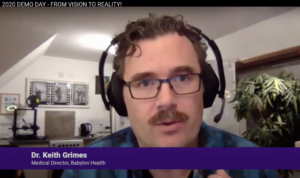
But it also showed how important it is to work together. In 2020, more than ever, we have to care and we have to share! Therefore, the Vision Health Pioneers Incubator team decided to support two movements that are close to our heart: Médecins Sans Frontières (Ärzte ohne Grenzen) as well as the Movember campaign of our Demo Day keynote speaker Keith Grimes. Altogether, we donated more than 800 Euro which equals 7,50 Euro for every one of the 107 coaches, mentors  founders, investors and jurors that supported us. Many of them are active healthcare professionals that spend their precious time to improve and digitise healthcare.

Now, it is on you – two initiatives worth supporting!


Médecins Sans Frontières (MSF or ‘Doctors Without Borders’ / Ärzte ohne Grenzen) is an international medical NGO of French origin best known for its projects in conflict zones and in countries affected by endemic diseases. In 2019, the group was active in 70 countries with over 35,000 personnel mostly local doctors, nurses and other medical professionals, logistical experts, water and sanitation engineers and administrators.

In 2020, Vision Health Pioneers donated 535 Euro – 5 Euro per mentor, coach, investors and juror that supported us. Donate!


In 2020, Keith Grimes raised more than 1500 Euro for Movember! Vision Health Pioneers donated 275 Euro for this good cause. Mental health and suicide prevention, prostate cancer and testicular cancer – the Movember is taking them all on. Since 2003, Movember has funded more than 1,250 men’s health projects around the world, challenging the status quo, shaking up men’s health research and transforming the way health services reach and support men. Donate!


Again, thank you for staying strong in 2020. We are looking forward to tackling 2021 with you!