Categories
Inside the incubator

Introducing Karis: The Mental Health Startup Destigmatizing Adult ADHD

While completing his master’s degree in Barcelona in November 2019, David Garrido came up with an idea to improve mental health treatment. Karis was born.  Like many young entrepreneurs Garrido and his co-founder Ruben Nieto Lopez—a friend from university—had no masterplan in mind. “I didn’t have any idea how to do that,” Garrido, now Karis’s CEO, confessed. “But I knew there could be massive potential there.”
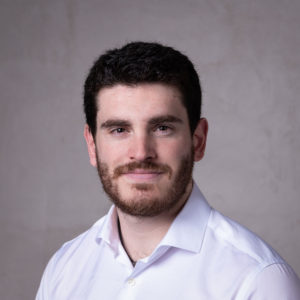
 

DavidThe two honed in on adult ADHD, an underdiagnosed condition that’s often overlooked in the mental health space. Garrido had experienced mental health challenges of his own; he was well aware of the stigma that still plagues this community, and he and his team have—in just a short time—set out to democratize the support of mental health treatment.

“When we started this project, it was just an idea with a lot of uncertainties,” David Garrido explained. 


Today, it’s a gamified solution blending the arts, science, and emerging technologies to treat adult ADHD – and one of the six startups currently enrolled in the second cohort of the Vision Health Pioneers Incubator.

And while the road towards a working prototype and long-term financial success has not been easy so far, David Garrido is still in love with the concept and will continue working on Karis for many months ahead.

A Gamified Treatment Solution

What, exactly, does Karis entail? The platform features a series of mini-games: games using art as a stimulus, encouraging adults with ADHD to improve their memory and build other relevant skills.

“We’re looking for a holistic treatment,” explains Rubén Nieto López, co-founder and CTO of Karis. “The emotional component is important—so the content is more important than the technology.”

The technology, however, is nonetheless paramount to the user experience. Over the next decade, virtual reality is slated to become one of the most prevalent technologies in existence. Karis hopes to lead the charge as a mental health startup, and while they currently use a browser-based version of emerging VR technology (known as WebXR), they’re keeping a close eye on the future of tech.

Rahul Thangaraj, Karis’s VR Programmer and Developer, considers the platform a “one-stop solution for all your ADHD problems.” He’s diving deep into the game mechanics behind the platform, utilizing his master’s in virtual reality to make the best use of gaming as a viable treatment solution.

For now, however, the team’s top priority is on the user: that is, on guiding the user through a gamification room, allowing adults with ADHD to perform certain exercises and trigger specific activities. “We are using artistic stimuli,” said Nieto López. “Art can be dancing or painting or music—used as a stimulus to improve the engagement in the mini-games we want to incorporate in our platform.”

It’s all in an effort to help adults with ADHD manage their symptoms more effectively.

Adult ADHD: An Overlooked Mental Health Condition

A key question: Why did Team Karis decide to focus on people with adult ADHD? What’s more, Team Karis hopes to shed light on the fact that people with ADHD are very sensitive—an empowering trait—and that both adults and children may grapple with the condition. Another differentiator is that Karis features a strong emotional component that isn’t always present in other therapies.
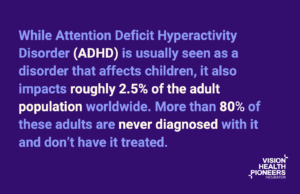

As one of the most under diagnosed conditions in the world, this aspect of the startup is critical.

“That’s why I’m so passionate about it,” added Karis’s COO Alissa Del Toro. “Culturally, for me, it’s a faux-pas to even go to therapy, or talk about mental health, because I’m supposed to be seen as a strong, independent woman who’s blazing a trail.”

While the stigma is unfortunate, the founding team is confident that platforms like Karis—and the fact that Germany is so steeped in health tech—will eventually shift the mindset involving mental health.

What will make Karis a success in the next few years?

Alissa“I feel that we are pioneers in this space,” said Del Toro.

“If we can at least get people talking about adult ADHD in the way that we do—if we can get to the point where someone can say, ‘hey, there are options for managing your ADHD, through this game and through other treatments’—if we can do that, and become a trailblazer in this new mindset, and open up the market, and increase research in the field, then, to me, we’ll have been successful.”

Granted, there are challenges to overcome in the meantime: among them user adoption, since Karis was built on a groundbreaking concept, and it will need to be introduced in the space before people truly understand it.

In other words, while emerging tech has become more popular in recent years, Team Karis will need to get their platform in front of as many people as possible to achieve meaningful results. The overall trajectory isn’t unlike what Uber and Lyft went through 10 years ago, however. People were initially quite skeptical of ride-share platforms, and it took time for the public to get used to these digitized solutions over simply hailing a cab.

Breaking that mindset, in this way, will be key to combatting challenges. And this can be solved simply by putting Karis in front of people—by asking adults with ADHD, or ADHD symptoms, to take a look at the solution and see how it goes.

Even helping just one person would make a real difference.
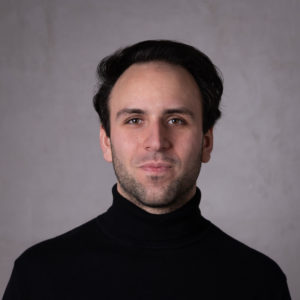
Ruben“If I travel around the world and see someone using Karis, and they say it’s changed their life, that would be amazing,” said Nieto López. “Maybe they don’t know who I am, but I want to ask them about the result of the product somehow.”

The platform, it’s worth mentioning, will be accessible to the public shortly. Team Karis has started testing in June 2021. From there, they’ll have a clear-cut strategy—and in just three or four months, they’ll have their product. (PS: In case you want to become an early user, please reach out to Karis via info@karisdigital.com.)

It’s a busy time as the world begins to reopen. That said, Team Karis is working hard to get their MVP as soon as possible and access the funding they need to continue making progress.

“Personally, I think I have learned a lot in the last few months,” shared Nieto López, “because in the startup ecosystem, you change a lot from one week to the next. The learning process never ends.”

With founding members from Spain, India, and the United States, they’re a diverse yet close-knit group.

“The biggest power of Karis lies in how different each team member is,” said Garrido. “We all have many different ways of thinking, and different mindsets, which is something that plays out in our discussions.”

At the end of the day, this gives Team Karis a broader view of what they are trying to do. Throughout, they intend to put adults with ADHD at the forefront of their vision.


Check out the Karis Website: https://karisdigital.com


Categories
Our Mentors Our Network

Mentor Laura Nelde on Berlin’s strong and supportive digital healthcare world

Hailing from Bremen, Laura Nelde moved to Berlin three years ago. A cherished mentor at Vision Health Pioneer Incubator, she’s Flying Health’s Startup Relationship Manager, where she works at the forefront of tomorrow’s healthcare, guiding industry leaders and entrepreneurs and working with startups in-house to develop new digital drugs. She holds an MPhil in Bioscience Enterprise from the University of Cambridge, and speaks passionately about the need for Germany’s wider healthcare community to embrace the technologies and treatments fostered in digital health.

You might also be curious to know that she’s pretty crafty and into DIY fashion. When she’s not working, she scours the web for designs and puts together all sorts of pieces using her grandmother’s sewing machine. As a mentor, she’s appreciated for her open mind, and stresses the importance of intellectual flexibility:

“I always say that what I am offering is one perspective, one piece in the puzzle. You have to speak to so many different people -there are so many stakeholders involved. There are many opinions you have to take into account.”

Curious to learn more on her story and values? Read on:


What do you think are the best steps to take to enter the digital health space?

When it comes to learning about the problem you are trying to address, It’s important to understand the traditional system and the current patient journey. You need to know which stakeholders are involved and how your proposed solution changes the current care path and offers value to all those involved.

It’s also a good idea to talk to experts: People who understand the healthcare system and people who have developed medical products before. Do not underestimate medical device regulations and consider that in your product development from the beginning,

And always keep in mind: the user might not be your customer.

What digital health issues are particularly on your mind at the moment?

Among my many interests, I’m motivated to tackle the subject of how to empower the patient by enabling a wide range of treatment modalities that includes digital solutions– besides traditional options including pharmacotherapy and face to face appointments. This is so that each patient is able to choose the type of care that is most suitable and most effective for them at that point in time.

It’s also important to me to support digital health startups In entering the market, so that they can make new solutions accessible to patients in Germany and allow innovations developed in Germany to stay here instead of leaving for opportunities abroad.

What motivates you to be a mentor?

I love sharing and passing on the knowledge and insights I have gained to support startups/teams that might be new to the healthcare sector. I’m passionate about bringing their ideas to reality as much as I am bringing innovation to the patients, the healthcare system is complex and without support, these endeavors can be difficult.

I also really enjoy meeting teams at an early stage and get excited about learning about new ideas with the potential to transform a part of care delivery. 

How would you describe the digital health space in Berlin– what are its relative strengths and weaknesses? 

Berlin’s digital health community is strong. Its startups rarely see each other as competition, but operate as allies working together to further develop digital health and make it an integral part of our healthcare system.

Before COVID, we also enjoyed all the opportunities we had to attend events and get to know startups and stakeholders. Though now, with COVID, our location is no longer our greatest asset. We’ve lost networking opportunities. But the flip side is that startups located outside Berlin can attend events here.

Did you always want to work in digital health, and if so, why?

I studied economics and management to keep my options open, but realized early on during my studies that healthcare was the area that fascinated me most. I wanted to work in an industry with a significant impact on people’s lives and the opportunity to make a change. 

Digital health, at the intersection of healthcare/medicine and tech had a lot of untapped potential, and seeing founders innovate in this highly regulated and traditional market has fascinated me ever since. This is because this path requires significant dedication and a strong vision and value proposition.

What personal qualities make the most effective founder in this space?

Some of the most effective founders we have met were those teams that combined expertise from science/medical backgrounds and business backgrounds.

This will likely not be a single person, but a founding team that has different backgrounds is tremendously helpful in understanding all aspects of what it takes to build a sustainable business while making sure that the proposed solution is addressing a medical need and built according to medical device and clinical evidence standards.

How do you picture the digital health space in Germany looking in five years?

I Imagine that the underlying national ehealth infrastructure will be widely adopted by then, building a strong backbone for new innovations to be developed and implemented.

I hope that many startups will continue to innovate and work together with existing players across sectors in healthcare to transform care delivery and improve outcomes.

I think there will also be a wide range of apps available on prescription that have become standard options across the treatment spectrum for physicians, and which will hopefully expand beyond the outpatient sector in supporting patients across the care continuum.

What cultural product would you take with you on a deserted island?

I’d want to have access to my favorite podcasts –then I’d have new episodes to look forward to! My top three podcasts are: Alles gesagt, Der Tag and Visionäre Der Gesundheit.

The community at Vision Health Pioneers Incubator goes far beyond its entrepreneurs and includes a diverse network of mentors. Read more about their stories and vision in our special series on them.

Categories
Our Mentors

Mentor, meditator, design thinker, product designer: Introducing Susanne Feldt

“There is real momentum for digital health”

So says mentor, nature lover, avid photographer and gardener Susanne Feldt, who helps healthcare startups develop data-driven products, services, and business models, by raising the bar on customer experience.

Passionate about digital transformation in healthcare, and especially fascinated by applied AI and analytics applications, she’s got some great advice and insights for our growing community.

You might also be interested to know that she once spent tens days in total silence at a monastery in Nepal, an experience she describes as ‘life-changing’.

What do you think are the best steps to take to enter the digital health space?

There is real momentum for digital health. The global community is growing. The healthcare market is quite specific and requires knowledge about challenges and ongoing trends. Try to join online conferences, meetups or social media groups (on Linkedin, Clubhouse, etc) and take part in the conversations. 

Which of your professional accomplishments are you most proud of?

I trained many of my former colleagues and clients to use the user-centered innovation mindset (Design Thinking). Once people understand the value in user-centered-design, they include that in everything they build. It’s hard to believe that people often develop products without ever talking to their customers.

What digital health issues are on your mind at the moment?

Personally, I’m super interested in the use of AI/ machine learning for human-centered healthcare innovation. In my current project, I conduct user research on the brain tumor workflow. It’s a bit crazy, for some rare diseases it often takes a long time until patients get a proper examination. Sadly, it depends on individual healthcare providers (HCP) and their engagement if patients receive the best possible treatment. Treatments need to become more personalized, and therefore HCPs need more time for individual cases. I believe that digitalisation and data analysis can support HCPs in providing better diagnoses and addressing individual needs.

What is the best advice anyone ever gave you?

“You either have to learn it and become the best, or you hire somebody who is better than you.” I’m a very curious person, always eager to learn new skills. But when you are building a startup, you need to learn to handover responsibilities.

What strategies have you used to stay sane and productive through COVID?

I started my freelance UX career just at  the beginning of the pandemic. The decision was made before then, and I couldn’t reverse it. But so far,  it all worked out well. I supported a small founding team with their product launch and we still met in the office until the beginning of winter. As I had this big change planned, the effects on my work due to COVID were minor.

Intellectually the year 2020 was very exciting for digital health. The general public became aware of this topic; people donated their health data for research and tried telemedicine consultations for the first time in their lives. We saw that a lot was possible and that creativity matters in solving problems. 

What are the qualities of an effective mentor especially in this space and what motivates you to be a mentor?

I had a few mentors that inspired me on my work journey. These were always people that took the time to listen to me, even when they were super busy themselves. They did this without asking anything in return; they were purely interested and generous. For the same reason, I want to mentor. I enjoy teaching, problem-solving and connecting people. And I can learn from the startups and their journeys, too.

How would you describe your digital health journey? What have been some of the highs and lows?

The projects I’ve had in healthcare were by far the most interesting projects I had in my design career. It’s pretty exciting to design digital infrastructures for diagnostics. What are the lows? Definitely the strict data protection and compliance regulations; these regulations are often not designed and thought out for digital health applications. The documentation efforts are gigantic; in trials, a code freeze is required and even bug fixing causes problems, overall this makes it hard to develop in an agile setup.

How would you describe the digital health space in Berlin, what are its relative strengths and weaknesses? 

Healthcare is a highly political field. As the government sits here in Berlin, we might have a location advantage in Berlin. The city is vibrant and interesting for innovative startups that develop data-driven tech solutions. The most important health incubators sit in the capital. Germany is definitely an interesting healthcare market with over 73 million public insured people. And within the limits of the GDPR data protection regulation, startups have to design compliant solutions. One weakness is that Germany’s federalism. So regardless of where the startup is, they need to handle this madness of different state regulations.

What have been your biggest challenges in working through a pandemic, and have you found any silver linings?

As I work in the digital field, I’m pretty lucky that COVID did not affect my work that much. I’m used to working with remote teams, and often I had to fly to my clients for short alignment meetings. I’m thankful that we all learned new digital processes and that it matters less where in the world a person is. Now I could live on an island and still do my job. 

Nevertheless, having all these social limitations is hard and I also struggle with this. I wish we find better ways than lockdowns to handle this situation. The insecurity and the difficult (work) circumstances that some people are facing is troubling.

What personal qualities make the most effective founder in this space?

I’m not a founder myself (yet), but I worked closely with founding teams. Successful founders managed to design the value for their stakeholders and users, and in reverse they gained support from others. Engaging others in your mission is crucial. 

In healthcare, this matters even more– proof of concept trials can cost a fortune, though this varies depending on personal connections. Therefore I believe that successful founders need to build long-lasting relationships with research institutions.

How do you picture the digital health space in Germany looking in five years?

Five years is a short time for innovation in a highly regulated field. I see that we finally have the electronic-patient-file and that this leads to more transparency about costs and procedures in the healthcare field. I hope that patients understand that they have a right to participate in the dialog about their health. However, this awareness might take even longer.

The community at Vision Health Pioneer Incubator goes far beyond its entrepreneurs.. We’re grateful to our ever-growing and diverse network of mentors. Stay tuned for more pieces packed with nuggets of wisdom on all things digital health.

Categories
Inside the incubator

Wavy Health’s dulcet innovations are the future of cardiology care

Music has a powerful effect on us, but researchers have only just begun to scratch the surface in exploring the extent to which listening to our favourite songs can alter our state of mind and health for the better. This is an area of research with a wealth of possibilities for the healthcare world, and a space that the incubator startup Wavy Health has tapped into to generate a great, multifaceted concept. 


Specializing in cardiology, they are creating an application that uses wearable technology, songs and deep tech to treat INOCA, a heart condition that disproportionately affects women, and which can be challenging to diagnose and monitor.

Their app is especially powerful in helping its user identify the sources of their own stress in daily life, which is vital to managing and offsetting INOCA’s symptoms.

Wavy Health’s Lian Kuiper explains the condition as tied to angina pectoris, that is, chest pain –one of the world’s most common heart disorders, with one out two angina pectoris sufferers also having INOCA. 

An accessible app that helps track vital data using cutting edge technology

The perplexing heart condition is short for Ischaemia and No Obstructive Coronary Disease– and manifests when blood supply to the heart is restricted even when there aren’t any blockages in the coronary arteries.

Diagnosis and treatment is difficult and often misunderstood, with its conditions often not showing up on usual tests like ECGs and routine angiograms.

Sufferers can find themselves experiencing what feels like a heart attack only to be told that there is nothing wrong with their heart, and sent home from emergency rooms none the wiser about how to manage their symptoms.

A condition that disproportionately affects women

When their condition is correctly diagnosed, patients can be given medication, and are told to make lifestyle changes– particularly those that reduce stress. One of the many challenges here is a gendered one: two thirds of sufferers are women, and yet, the majority of research centres around the experiences and treatment needs of men. 

This means that when it comes to important matters, such as how much medication a female INOCA patient ought to take, cardiologists are still in the dark.

This dearth of research is one of the reasons Lian Kuiper was curious to join Wavy Health’s mission, which she did at the start of this year, as they began as part of our second cohort.

She joined the startup three years after its co-founders, Steve Thijssen and Daryl Autar, set out creating solutions to heart problems– a pursuit that won his team the top prize in 2018, at Biome, a hackathon held by Norvartis in San Francisco.

Wavy Assistant
The winning team in 2018

While Steve’s background is in IT and business, he took very enthusiastically to the world of healthcare, and especially enjoys the stimulating “craziness” of the hackathon experience. The incubator life is equally electrifying, and his enthusiasm is shared by Lian, the team’s “research queen”.

Steve says that he’s especially pleased to have joined an incubator programme based in Germany, a country that is especially on the ball when it comes to supporting startups operating in this space, in terms of both funding and the degree to which digital health solutions are increasingly afforded legitimacy. This said, the tome of documentation involved is proving a lot of work, and is keeping Lian especially busy. 

The healing sounds of music

While the initial plan had been to focus on heart failure, Steve and his co-founder adapted their approach and mission to first addressing INOCA. 

This new direction was prompted by several conversations with cardiologists, including noted physician Prof. Dr. Angela Maas, who emphasised the role stress management plays when it comes to offsetting INOCA’s symptoms.

https://www.youtube.com/watch?v=WBOjmusT78Y&t=1s
Wavy Health will use wearable technology to analyze heart rhythms and sharing that data with healthcare professionals

Maas focuses on female cardiology patients, and is attached to the Netherlands’ Radboud University, an institute that now works closely with the Wavy Health team to help provide the data going into a digital health app that acts as personalised medicine for stress reduction.

With a recent new addition to the Berlin team – Simona Sendroiu, a UX designer, and Greek medical illustrator Mano Kapazoglou – Wavy Health now boasts four members in Germany, working together to push the boundaries of what is possible when it comes to treating heart conditions like INOCA, while empowering sufferers to take control of their health.

While INOCA is the focus now, there’s plenty of scope to use their technology to address a range of cardiovascular complaints, including generalised chest pain and hypertension.

“We wanted to focus on one group now, because it’s more specific,” Steve explains.

For now, we’re pleased to see the team employ this focus and hit the ground running, bringing a much appreciated drive, exuberance and the spirit of collaboration to the incubator.

“A startup is like a roller coaster. Sometimes it goes well, sometimes it’s crazy,” says Steve. Lian agrees. “Yes, it’s definitely a challenge, but we make the best of it”.


Categories
Training & Coaching

Bulletproof startups:
How to build solid teams in challenging times

When our incubator first opened its doors almost two years ago and welcomed our first batch of bright-eyed and bushy-tailed digital health entrepreneurs—little did we know how current events would look and what a challenging set of circumstances would unfold.

Needless to say, working through a pandemic has brought a host of unexpected obstacles, alongside several valuable learning experiences. As we welcomed our second batch at the height of the second wave here in Berlin, we took some time to reflect on these experiences and especially what they told us about how to help build and nurture winning startups through such trying and unsure times that have also—by way of silver linings—brought about a digital healthcare boom.

Communication is key

If there is one thing we have learnt through our first year in existence—which some might describe as a bit of a baptism of fire—is that what makes or breaks a startup more than anything is how well the individuals work together; the interpersonal alchemy that separates teams that prevail from those that do not. We learnt that it is essential that members share a common mission and that the way that they interact and their roles are defined and structured ensures a healthy and productive team culture.

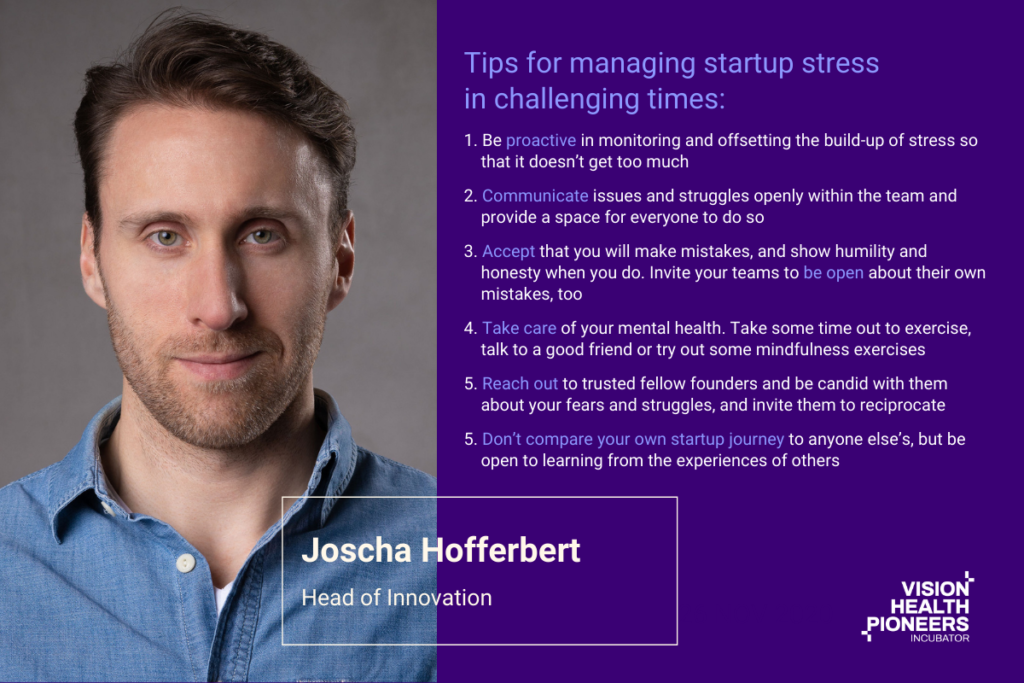
At Vision Health Pioneers, our own team features an expert primed to examine and understand group dynamics. Boasting a degree in psychology and neuroscience, with the added bonus of being passionate about innovation and nurturing fledgling startups in the healthcare world, Joscha Hofferbert, as one of the initiators of the program, s uniquely poised to make astute observations on how to create a team strong enough to weather any storm.

Batch 2 startup Alma understand the importance of communication

Joscha has observed that a startup team’s communication and collaboration style is intrinsic to their success, just as a shared purpose is a key success factor.

In fact, the founder of Berlin’s Hacking Health—who also serves as Vision Health Pioneer’s Head of Innovation—reports his own surprise in realizing just how crucial team dynamics are through the course of batch 1.

“Within the first months, we discovered that team building is way more important than we thought it was. We did not expect (bad team dynamics) to be such a killer,” he said.


This observation is grounded on several real-life examples. The teams that flourished were made up of individuals who worked well together: They were united under a shared mission and were able to communicate with each other, even when things got a bit fraught. They also trusted each other enough to be able to work with autonomy and creativity. Meanwhile, teams that did not present a united front were not strong enough to withstand the challenges as and when they cropped up. It also became clear just how essential having an objective observer was in identifying gaps, issues and potential threats that teams most often realize far too late.

“Teams quit when haven’t agreed on a shared mission, and we had to replace members. There were instances where it didn’t work out. That’s when we realized the importance to place an even stronger focus on team coaching,” he says.

Ingredients for the perfect team

Joscha gives a couple of examples of the teams that overcame challenges owing to the extent to which they were fueled by a shared vision. He outlines what it was about them that helped them flourish. These included MySkills, a startup creating digital solutions for sufferers of Borderline Personality disorder that has gone from strength since it joined the program, and beyond.

“At first, we were a bit skeptical about MySkills, because they are a couple,” Joscha recalls, describing how psychology professional Anne Florin and product designer Patrick Hartwig joined forces to create a product supporting mental health patients with the personality disorder, with a user-friendly app replacing the unwieldy documents. In hindsight, Joscha reflects that the fact that they were a couple with a shared dream was something that highly contributed to their success.

“They’ve both been working in different fields, and they really complement each other. And they are united by a common goal and perspective,” he adds. This alignment in purpose and mission, alongside the fact that the couple had already been working on the product for years alongside their jobs, made them a winning team. That was one factor that led to their success. Another was how the team was set up, with each member clear on the contours of their tasks and responsibilities. 

Other examples of teams who worked well owing to shared vision include startup Mila.Health, whose founders Jonas Keil, Ines Räth and Catalina Turlea aligned on the vision of normalizing the act of seeking out mental health support in professional contexts. Like MySkills, the team were far from strangers when they began work on their project together, having in the past worked together on a number of projects already. This made them very aware of how to work well as a unit. Likewise, their clear mission and great distribution of responsibilities was a key ingredient to their success.


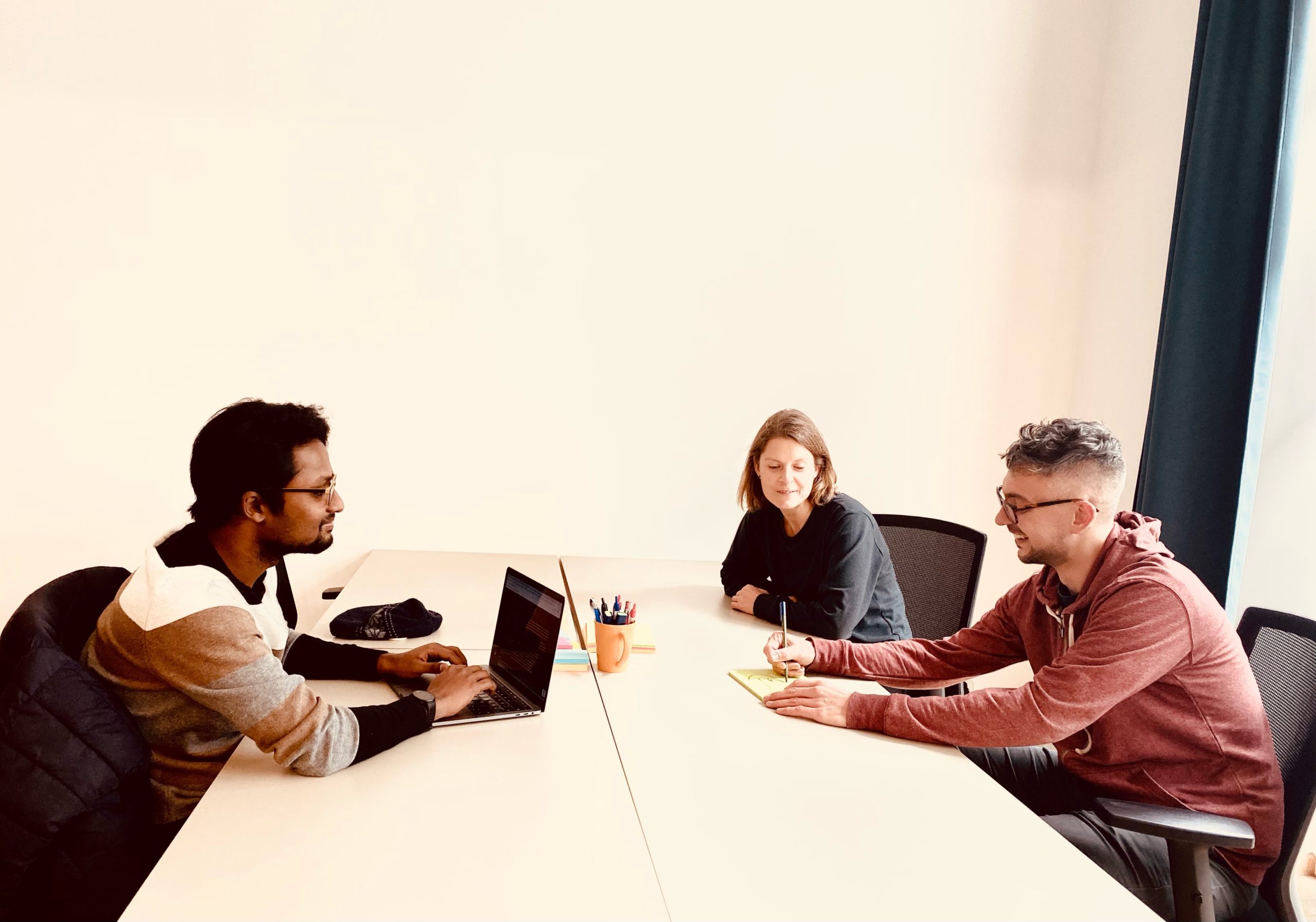
Team building became all the more complex when meeting virtually was our only option (picture from 02/2020) 

Advosense is another example of a
team that thrived thanks to
a common mission:
Martina Viduka, Erin Webb and
Grace-Anne Marius devoting
themselves to the work of
revolutionizing geriatric care.

This shared vision is what helped many teams see through all the challenges of the year, just as teams in which its members understood each other well proved successful. Meanwhile, teams that suffered could not communicate or address issues, and were especially challenged when the fear of speaking out prevented important issues from being addressed, either within the group or with the help of a coach.

“Soft skills are really important,” says Joscha, “teams have to have a common understanding of each other and trust each other,” he says, adding that all the teams that had flourished in batch 1 had been made up of individuals who knew each other well before the program started.

Looking forward to batch 2

Naturally, these are all observations the team at Vision Health Pioneer’s is taking to heart as our new batch starts to settle in. Learnings from batch 1 have encouraged us to improve our own resources around team building, and we will be placing a larger emphasis on creating exercises and events to ensure we are doing everything we can to foster open communication and empathy across teams, even or especially with events taking virtual format. We think it is particularly important to do so in times in which we can’t be as physically present as we’d like, but in which it is especially crucial to foster a common understanding.

The incubator has already implemented a number of strategies to help strengthen and develop teams and which can help foster a common alignment on its mission and purpose. These include a monthly team coaching session with Joscha, open hours for individuals, individual personality and capability coaching and leadership coaching. We will also make sure to provide structured feedback on team development and dynamics.

All of these additions to the Vision Health Pioneers repertoire of support structures will help develop all of our teams such that each entrepreneur is equipped to work at their best, regardless of external stressors or circumstances. 

“And it’s important to do these team-building exercises that aren’t just about work,” says Joscha. “Going for a walk, going for coffee, getting lunch—it’s really important in times like these.”

But of course, the promise of shared quality time as a team in whatever format that is available through and hopefully beyond social distancing times are just one part of the puzzle in building the best teams. What’s most important is a shared vision, clear and open distribution of roles and constructive communication. These ingredients are all essential in making the dream teams work. 


Categories
Inside the incubator

My Paramedic: Spotlight on the Startup Offering At-Home Digital Personalised Cadiotherapy

What do you get when you combine a software developer and part-time programmer, an emergency medicine professional and an innovative idea?

The answer is My Paramedic – but the early-stage startup didn’t come out of nowhere.

Founded in Belarus by husband-and-wife team Dmitry Solovyov, CEO, and Olga Solovyova, CMO – along with software developer and CTO Denis Moskalev – the company has created a mobile solution that helps people recover from a heart attack at home.

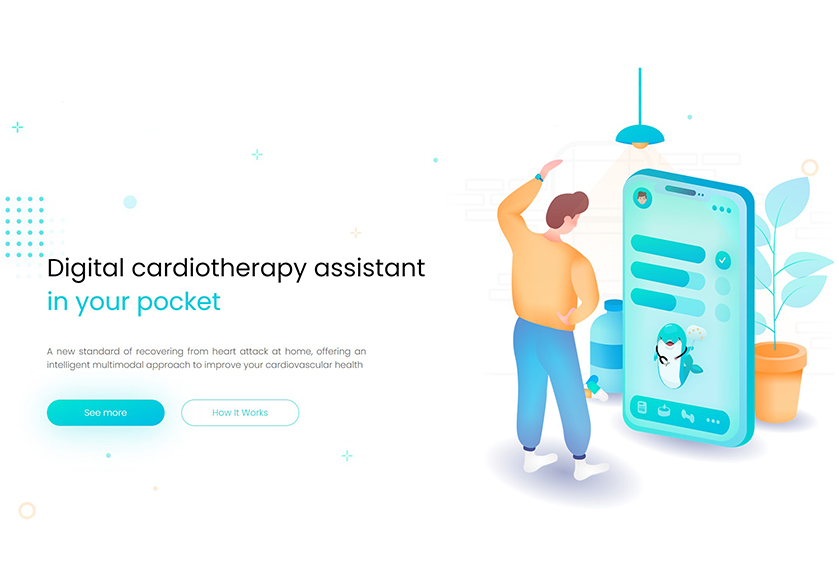
You might think of it as an intelligent pocket cardiotherapy assistant.

Reducing Long-Term Risk with At-Home DIGITAL PERSONALIZED CARDIOTHERAPY


In addition to facilitating recovery, My Paramedic motivates people to maintain their health balance and reduce their risk of experiencing an additional cardiac event.

Rooted in technology, users perform physical exercises by playing an interactive game. The built-in AI monitors each patient’s condition by asking a few questions and reading their vital signs through smart wearable devices – and then analysing data throughout this process like a real doctor usually does.

“We’re not a rehabilitation app,” clarifies Solovyov. “My Paramedic is a mobile app that provides personalized cardiac therapy and support for patients at home.”

The app isn’t a telemedicine platform, nor is it meant to substitute doctors, medical treatments or prescription drugs. Rather, My Paramedic offers digital therapeutics. Patients can use the product between doctor’s appointments and adhere to the therapies if they experience specific symptoms. It’s also ideal for those in search of additional cardiac treatment rehabilitation, or a post-rehabilitation model.

“We are more like a digital assistant with digital therapy,” the startup’s CEO explains. “Our mobile app supports and motivates users during the whole process, and we focus on personalization.”

With all the content based on clinically-backed German cardio guidelines, the app can either integrate with the user’s wearable devices or address the individual’s needs based on information they input themselves.

“If the user doesn’t have, or doesn’t want to use their device, the mobile app will ask a few more questions and make a decision on how to update the individual therapy plan,” says Solovyov.

The benefits of cardiac rehab and post-rehabilitation are expansive:

  • Patients are 40% less likely to experience a repeat cardiovascular event.
  • They are 25% less likely to die as a result of a cardiovascular event.
  • There is a 38% to 53% increase in patients’ rate of return to work, with an overall cost savings of $12,000 per person.

A compelling part of the app is that users don’t have to complete the exercises alone. My Paramedic is home to a personal digital assistant named Hearty, who is available on the mobile app to help people achieve their goals, earn rewards and leverage the support of their community.

“We believe that therapy must be intelligent,” says Solovyov. “It doesn’t have to be boring, and our product doesn’t change your past – but it can improve your future.”

Startups and the Power of Pivoting


Dmitry Solovyov, Co-Founder of My ParamedicThe idea for My Paramedic came from the CEO’s background as an EMT. From Monday through Friday, he worked as a software engineer – and on weekends, he was a paramedic assistant.

That was how he met Olga Solovyova, a paramedic and his boss on occasion. In their native Belarus, paramedics can make decisions just like any doctor. When, one day, their colleague felt unwell and worried she could lose consciousness, Solovyov had an idea: Wouldn’t it be great to call an ambulance automatically, based on a person’s vital signs, to save time?

This was the initial concept of My Paramedic. However, a number of barriers forced the team to pivot. All the software and hardware components of the platform, they learned, would have to be medically-certified. (The smart watches and fitness trackers they hoped to use didn’t have the certifications they needed, which was the first setback they faced.)

When additional legal risks came to light, they switched gears entirely – and the three cofounders decided to focus on recovery from heart attack and the digitalization of cardiac therapies.

“We kept almost everything from our MVP,” says Solovyov. Yet pivoting proved challenging in many ways.

“It was hard to take one step back and do the same job again [with a different focus],” admits the CEO. “I would say we lost a bit of our motivation, but we did it.”

They often repeat one famous phrase to remain driven during the most uncertain times. The translation is: Rise and rise again until lambs become lions.

Cultural Adaptation: From Belarus to Germany


Initially, Solovyov admits My Paramedic started just for fun.

“We wanted to do something useful for people,” he explains. “Medicine was my hobby. Programming was my profession, and I decided to create some symbiosis of medicine with IT.”

Though relocating from Belarus to Berlin marked a significant change, the cofounders were ready for it.

“Many years ago, Dmitry [Solovyov] shared with me his thoughts that he wanted to create an application that will help people,” says Solovyova. “I looked at him and said, ‘Are you crazy? How is it possible to measure a pulse with your bracelet or watch?’ But I realized that yes, actually, we can do something interesting.”

Today they reside in Berlin and are eager to settle in their new environment. They are finding Germans to be more open than their Belarussian counterparts – but less generous with their time, because people’s schedules seem to be fuller than in Eastern Europe.

The lifestyle is faster-paced here in Berlin, no doubt – but perhaps this is exactly what My Paramedic needs to bring its product to fruition. Moving forward in 2021, the cofounders hope to register their company as a legal entity, begin working towards their 650,000-Euro investment goal and prepare their product for beta-testing.

They also plan on staying in Berlin. “We already got a residence permit,” says Solovyov. And over the next three years, the My Paramedic team hopes to launch their product in Germany – implementing a sound reimbursement strategy and capturing 10% or even 15% of the market.

Strength in Numbers with Vision Health Pioneers

The My Paramedic cofounders claim they’ve had an empowering and informative experience in the Vision Health Pioneers incubator.

“VHP is about people who want to change the world with you,” says Solovyova. “We got more than just support. We appreciate every person who shared their experience and knowledge with us.”

It’s also worth noting that the experiential aspects of the incubator – pre-COVID-19, of course – alleviated the stress involved in building a company from scratch. From team-building barbecues to kayaking excursions, these elements played a crucial role in the team’s transition to life in Germany.

In addition, Solovyov claims Vision Health Pioneers gave him the tools he needed to start thinking like a businessperson.

“It’s the main benefit that I got from here,” says My Paramedic’s CEO. “And this factor affected me, our team and our product – and as I’ve mentioned, it’s forced us to take a step back to avoid potentially more serious mistakes.”

While roadblocks and other challenges cause stress, they’re better addressed early on in the startup game than several years down the road. Yes, My Paramedic has pivoted – but the young company is now on a path from which all parties can benefit. The platform offers an enticing approach to at-home cardiac rehab users won’t want to miss.

Categories
Inside the incubator

biotikur: The Startup Transforming How We View Gut Health

Founded by Junayd Mahmood and Isabel Sousa, biotikur creates evidence-based products designed to balance and maintain the gut microbiome. With biotikur’s Brand, Content & Community Lead Emily Phillips now involved in getting the word out, the team is transforming the way we perceive and manage the gut.

Leveraging Science to Improve Gut Health


The objective at biotikur is simple: to leverage the new science on gut health and the microbiome to enhance a number of other outcomes linked to the digestive system.

These include common symptoms such as gas and bloating, along with less obvious (but no less relevant) outcomes like mood, weight and metabolism. And while the research is admittedly new – 80% of existing studies on the gut microbiome have been published in the last five years – scientists are increasingly aware of its true impact.

What can consumers anticipate from the startup? According to Emily Phillips, they can expect “bold products developed at the cutting edge of nutritional and scientific research.” Having witnessed the team’s speed and focus during the program, we couldn’t agree more: during this time, biotikur completed multiple product tests and iterations and launched two product lines to the market.

Mahmood adds that biotikur is more than a unique product. He and his team don’t simply want to create a pill people can take to avoid changing anything else in their lifestyle. “That’s kind of an issue,” he adds. “The current system isn’t set up to change any of the root causes of health problems. It just addresses the symptoms.”

This is where biotikur comes in. The young startup aims to embed each product with consciousness and awareness about the body – about what makes people feel good and perform better. There’s also an element of improving one’s nutrition, with the idea of each person taking their health into their own hands.

“There’s a growing sense that all is not well,” says Phillips. “That the planet isn’t well, and that we aren’t well.”

To address this, we must revisit what we consume – that is, what we put into our bodies. And while these aren’t easy changes to make, biotikur is working to improve awareness of gut-healthy lifestyles.

Inspired by Family: Developed for People Everywhere


Why the gut microbiome?

It’s all about creating a sense of balance in the gut and beyond, from the mouth throughout the body. The gut contains trillions of bacteria, and when the bad bacteria overtake the good, bad things happen. This imbalance is called dysbiosis.

Dysbiosis can, however, be restored. For one of the startup’s cofounders, restoring it is very much a family affair.

“The idea [for biotikur] originally came because it was becoming more and more of a topic for me personally,” explains Mahmood. “Both of my younger siblings have quite significant digestive issues.”

Mahmood’s younger sister has Coeliac disease – a serious autoimmune disease. His younger brother was prescribed some serious antibiotics around the age of 12 or 13, and he struggled with intensive digestive distress for months at a time. His parents are also type 2 diabetics, which further reinforced his interest in the topic. (Diabetes is linked closely to gut health.)

“Basically, the personal motivation for me to look into this was quite strong,” says the cofounder. “It was kind of a gradual interest and a quite personal story that drew me towards this.”

From there, Mahmood and his team explored the scientific elements of the gut. It’s the blend of science and personal history that fuels the company today.

“If I were doing this purely for economic reasons, then I find that’s not as strong of a day-to-day motivation,” says Mahmood. “But when it’s connected to people you care about, and lots of other people out there, you can deal with the setbacks because you have an extra reserve of motivation.”

With COVID-19 shutting down labs and GMP production facilities, there have been plenty of setbacks this past year in particular. Yet biotikur persists. In the next three years, they hope to cement their reputation as Europe’s premium brand of reference for evidence-based, cutting-edge gut health products.

The Evolution of the biotikur Product Line


The Berlin-based startup strives to be approachable and empathetic.

“One tremendous asset that we have is that biotikur is personal, and it’s authentic,” the startup team shares. “The products and the ethos we’re putting out are really aligned with what we want to see in the world.”

This same ethos has driven the development of their first product: the 14-Day Regimen, which features a blend of probiotics and prebiotics, and includes a rectal application. 

What was novel about the product, and supported by evidence, was the direct application of probiotics in order to maximize the levels of good bacteria in the gut microbiome.

Since then, of course, biotikur has released additional products – including oral products – based on peer-reviewed science and real challenges people face. The team believes in integrating an educational element into each product, or something that directly helps consumers improve their nutrition and overall gut health.

The results are in, and consumers are interested. biotikur currently has a waiting list, though they are on the cusp of developing a ready-to-order subscription bundle called biotikur balance (a pre- and probiotic oral supplement made with more than 50 high-quality plant ingredients).


When biotikur joined Vision Health Pioneers, they were focused on their product above all else: on getting it developed, tested and in the hands of their users.

The incubator, however, helped them take that focus to the next level – allowing biotikur to ensure they were asking the right questions, undergoing the correct processes and truly optimizing their company for the right people.

“Just that support, and being able to learn from the journeys of other startups in the cohort, was super valuable for us,” says Mahmood. “I don’t think we could have achieved what we did on the scale we did, and as quickly as we did, without the support of Vision Health Pioneers.”

The truth is that all early-stage startups benefit from the unique energy of their peers. There’s a sense of genuine excitement as it relates to working on new and exciting – and, of course, necessary – topics.

“With startups, there are always more questions than answers,” Mahmood continues. “It’s really easy to feel overwhelmed, but VHP has that environment of energy and fresh motivation.”

While things are different in lockdown, young startups can and will persist through the pandemic. To that end, incubators aren’t going anywhere either. Being in a place with other passionate, likeminded people can be very energizing.

“It can be quite a grab bag, and also quite up and down when you’re dealt with setbacks,” Mahmood confesses.

But when there are successes, or even small successes, a group environment can make all the difference. There’s a genuine strength in numbers, and we all benefit from being around people who are going through similar experiences.

This, perhaps, brings us right back to the importance of gut health. The gut microbiome can be managed effectively with the right tools – because to varying degrees, it is something we all must deal with. And biotikur is here to transform the way we manage it.

Categories
Inside the incubator

Inspired by Mothers: Developed for Women Everywhere

The idea for hers came from an unlikely but empowering place.

“I was working a few years ago with a gynaecologist on a research project where I designed pessaries, which are silicone devices that support the pelvic floor from inside of the vagina,” explained Yair Kira, cofounder and CEO of hers. “After this project ended, I realized there are new technologies that can be introduced to this space”.

Kira comes from a 3D printing world, and the potential of an individualized solution deeply inspired him. Yet hers came from a much more personal place than that. During this same research project, Kira’s mother approached him.

“She said, ‘Yair, maybe you can find a solution for my problem,’” Kira recalled.

From this seemingly innocuous conversation, the start-up’s CEO became aware of the true extent of the need for the product. “The more I started to work on it, the more I saw women just openly talking about their pelvic health challenges.”

And so hers was born. With cofounder Hugo Silva by his side and later Linda Wonneberger, now CMO, Kira cultivated a tangible, medically-based solution for pelvic floor dysfunctions (many of which may cause incontinence and other issues). The three entrepreneurs have developed a soft silicone inflatable device providing individualized support for the pelvic organs. Used in tandem with the hers app, which offers long-term pelvic floor training, women can take back control of their health – all while connecting with like-minded people and medical professionals.

“My mom always wanted to be the first customer,” Kira confessed. “I think for her, it’s great to know a solution that works for her will also be a solution for a million other women around the world.”

hers seeks to do just that – to help women from across the globe overcome their pelvic health challenges in the earliest possible stages of their pelvic organ descensus. The device presents a smart and easy solution that women can use at home. Made with biocompatible silicone that inflates inside the vagina, the hers pessary is a custom solution for women, designed with each person’s pelvic floor in mind.

A simple electric pump allows women to save their individualized settings. From there, the pessary adjusts to the right fit for the patient in question. Women can wear it daily similar to wearing a menstrual cup. The support of the device will provide them an immediate relief from the symptoms while strengthening their pelvic floor by interacting with the app and completing muscle training exercises throughout the day.

Kira explains the point of sale is all about offering an innovative solution: that of a connected device designed exclusively for women. The custom fit and long-term treatment approach is unprecedented in the women’s health space.

Entrepreneurs Empowering Women


“Half of the women population will experience pelvic floor dysfunctions during their lifetime,” the hers founders describe. “But there is a big taboo around it.”

And so, the entrepreneurs have launched a start-up with the goal to open the discussion and fill the gaps in knowledge surrounding this topic.

“In history, women have been under-represented when it comes to medical issues,” says Wonneberger, CMO of hers. “This is also a reason why women have learnt to be ashamed of the health issues they have.”

The hers team truly makes a point of encouraging women to engage in candid discussions about their health. By doing so, women can begin to care for their pelvic floor far earlier than menopause, and as a result, shed light on common issues by treating them in the very beginning stages.

It’s an empowering approach meant to put women’s health back in the hands of – you guessed it – women.

And hers’ three founders have witnessed first-hand the impact of their approach. While shadowing doctors at the Pelvic Floor Centre in Berlin, they interviewed a number of women patients and found just how important it is to provide a listening ear – to humanize medical care, if you will.

“Patients just want someone that will hear their story,” Kira said of their role. “Someone who won’t treat them as part of a machine, like a car that goes to the garage, gets something fixed and then goes away.”

In the same way the entrepreneurs believe healthcare should be personalized, the FemTech start-up has found that treatments should be personal. Women deserve the opportunity to tell their stories and be heard.

“So many women talk about it,” Wonneberger added. “They say, ‘You know, I’m 55, and I love my life. But when I go outside, I have to calculate exactly where the next toilet is. If it’s more than half an hour away, I cannot go to play with my grandchildren because I’m in fear of incontinence. So I’m staying at home.”

This, the entrepreneur explains, affects women’s lives more than most could possibly imagine. And how could anyone fathom what these patients go through, when taboo yet treatable pelvic health challenges are only rarely talked about?

The Power of Diversity in FemTech


The hers team is one of measurable diversity – not only in terms of gender and religion, but in background as well.

“I think having a diverse team is a big advantage, because Hugo Silva and I are maybe in some parts similar – we both come from product design, or industrial design – but we managed to do a separation,” says Kira.

As CTO, Silva is now spearheading the start-up’s design and development – including the corporate identity, user-focused design of the app and hardware, all according to the regulatory requirements. Kira is focused on the broader view and the financial side of things. Wonneberger, meanwhile, as CMO, offers a women’s point of view, plus extensive experience as a female founder in the FemTech space. The seasoned entrepreneur is behind companies such as Comfexy GmbH, CUCA BY LINDA and LindaBra.

“We have clear responsibilities in different areas,” states Wonneberger, “and we connect quite well because obviously, Yair [Kira] has lots of experience working with gynaecologists and in that area.”

The hers team boasts a growing network of gynaecologists Kira has cultivated from the early stages of his career and through their time in the Vision Health Pioneers incubator. They’ve gained strong connections over the years.

“And the fact that we had a gynaecologist as our key manager who could connect us with her peers,” Kira adds, “that was a really big advantage.”

Beyond the Incubator


Though leaving the incubator is daunting in theory, practically speaking, the hers team is ready for the next step in their entrepreneurial journey.

The early-stage hardware FemTech start-up is looking to secure 500,000 Euros to develop the hardware component of their device, along with their app, and connect with business angels who might be willing to join them in realising the vast potential of the pelvic health field.

“Our goal is to become one of the most successful FemTech companies by offering millions of women around the world an effective treatment for pelvic floor dysfunctions,” they describe in their three-year vision. “And together with them, to expand the knowledge and awareness around the pelvic floor.”

By continuing to increase awareness in this way, hers will introduce women to a powerful network, allowing them to treat common issues and ultimately feel heard. The start-up is deeply committed to making it happen.


Want to see team hers in action?

Watch their pitch from the Vision Health Pioneers Demo Day right here! See what they achieved during their time at the incubator and get a clear understanding of their product:


Categories
Our Mentors

Startup Advice: Hiring for a Young Startup – 6 Strategies

As we move into 2021, companies are transitioning from a mindset of adaptation to strategic planning. In many cases, this includes exploring new growth opportunities and recruiting new team members. As the incubator time for batch #1 comes to an end, many of our portfolio startups – such as MySkills, Biotikur and advosense – are expanding their teams as well and are looking for great candidates. Since the team is one of the most important factors for success in early-stage companies, a few months ago we invited one of the most experienced female founders for a special session. Inga Bergen, a serial entrepreneur, digital health expert, and former CEO of the startup Magnosco, not only founded her own company from scratch but also took over management roles in established scale-ups where she expanded teams from 60 employees to a few hundred. In one special online session, she shed light on how to move forward during these unprecedented times and shared her learnings as a seasoned manager. Here are six hiring strategies she pointed out for early-stage founders:

1. Opt for a more experienced candidate.

Young startups benefit from having team members who are driven, committed to the company and well-equipped for the job. When it comes to making a hiring decision, experienced candidates are generally a safer bet. In the healthcare space, for instance, Inga Bergen recommends screening candidates to make sure they’re familiar with medical product development. The more experience a person has, the more knowledge and value they’ll bring to the table.

2. Know which roles to outsource and which ones to fill in-house.

The truth is that where investor readiness is concerned, it’s essential that startups keep all the key knowledge in-house. What does this mean? For example, if your solution is based on artificial intelligence, your startup should steer clear of outsourcing data scientists. Keeping the most important roles in-house – and the algorithm, in this case – can help to maintain productivity, all while maximizing security and efficiency. It’s a win-win.

3. Determine the right time to hire.

Inga Bergen operates with a simple rule in mind: She only hires new staff when she’s certain she can cover three to six months of that person’s salary or can offer attractive packages including shares in the company. The truth is that for any new startup, there’s quite a bit of demand – particularly in the beginning stages – to fill additional roles. This, however, isn’t always feasible. And so for young startups, founders must fix their finances first and only then figure out when to hire new staff.

4. Hone in on senior staff first.

The successful female founder has seen it all – and in several startups, she has witnessed founders building full teams when they should instead have hired their senior staff first. Say, for instance, the founders of a young startup decide they must hire a few new people. Rather than sourcing one senior product manager and three team members to work underneath them at the same time, you should recruit senior staff first to build his or her own team step by step. This will keep senior team members from imploding due to being given too much responsibility (and too little power) early on.

5. Opt for 15-minute phone screenings.

Though founders may want to meet with every prospect they find interesting, this isn’t an efficient use of their time – far from it, in fact! Inga Bergen recommends instead that young startups kick off the recruitment process with 15-minute phone screenings. To boost productivity, she suggests cold-calling them to get a feel for the interest and expertise level of potential candidates. From prospects’ motivation and energy to their drive and interest level, there’s a lot to glean from these brief conversations. 

6. Follow your gut.

This is a simple hiring practice, but it is perhaps the most important one of all: When making hiring decisions, founders should be patient and follow their instincts first. Bergen said that she always turns down prospective employees who she doesn’t have a good gut feeling about. She said she’d much rather prolong her search and wait for the right hire than make the wrong hiring decision; this protocol would ultimately leave the startup better off in the long run. This is necessary for healthcare startups in the early investment stages, she added.

PS: Make sure to get all the startup advice from our coaches and mentors by subscribing to our newsletter!

Categories
Inside the incubator

Welcome Batch #2 of Vision Health Pioneers

The time has come to introduce our Batch #2 teams to you!

In January 2021 we welcomed 21 young founders with 13 different nationalities into our program. Out of 140+ applicants they convinced a jury of experts and conquered the multi-stage selection process of our incubator. 17 of them had a long journey to kick-off their healthcare startup in Berlin. They came from Italy, Spain, the Netherlands, the US, Austria and other countries to join our startup hub.

We are very excited as well to tackle new sectors this year. Besides solutions in FemTech and MentalHealth we will now also support your teams to address problems in Dermatology, Pulmonology and Cardiology.

We will explore how Art and Music can be applied. We will explore how smart textiles and hardware can provide new data. We will also explore how remote care can be improved. 

Please meet our Batch #2 Startups 


Alma is revolutionising how female intimate health is tackled in society.

Alma combines technology with education to enable females to become aware of their own bodies. The Italian teams first product is a smart underwear that monitors vaginal infections through pH sensing and supports the user with access to medical information, female community and healthcare professionals.

Team: Giulia Tomasello & Tauras Stalnionis


ArtMonia by karis is a digital therapeutic Virtual Reality game for the long-term treatment of Attention Deficit and Hyperactivity Disorder (ADHD). 

The Spanish team uses cutting-edge biomarkers to track the progression of this disorder with artistic stimuli that train emotional self-management and other cognitive aspects. 

Team: Rubén Nieto López, David Garrido Leal & Alissa Del Toro


Breaz is on a mission to detect breathing diseases early. 

The three entrepreneurs from the UK, Austria and India develop new medical devices with a user-centric approach to allow patients to receive an early diagnosis, empowering them to take control of their disease. Website

Team: James HugallPetra Stockinger & Ramvinojen Narayana Perumal


Skinuvita is developing digital solutions for a medically supervised home-treatment of chronic skin diseases with UV-Therapy.

Effective treatment requires 3-6 sessions per week within 2 months. Skinuvita addresses this by developing smart e-health solutions which enable a safe and medically supervised home-treatment. 

Team: Jan B. Elsner, Bojana PetkovichNadine Arrestegui Hermoza & Till Fitzke


Minime is a therapy diary-app for an evidence-based psychotherapeutic healing journey. 

Minime will replace paper self-observation protocols with an intuitive and educational user input. It helps patients with mental disorders to perceive and evaluate their own patterns and to try out and evaluate new ones. 

Team: Paul SchneeweißSepideh RazazzadehStella Römhildt & Nina Hackenbroich


Wavy Assistant is an AI assistant app that allows INOCA patients to manage their symptoms and lower their stress.

The Dutch startup combines qualitative data and quantitative data to build a personalised health profile. When the AI detects stress, the user can lower their stress by doing special music listening exercises. Website

Team: Lian Kuiper & Steve Thijssen


Excited to see their entrepreneurial journey?

Make sure you get all the Batch #2 updates and keep up with all future Vision Health Pioneers Incubator announcements by subscribing to our newsletter!