Categories
Inside the incubator

Sharing is Caring – Support the Healthcare Workers worldwide!

2020 has been a turbulent year. The good, the bad and the ugly – all happened in one short year. Now, it is time to look back and appreciate the good times but also act to support others that have not been so fortunate.

The Good

In 2020 our incubator team had the pleasure to work with 20+ dedicated healthcare entrepreneurs. Seven new healthcare solutions are now available for patients, medical professionals and care givers. More than 100 mentors, coaches and jurors supported the 20 founders in their startup journey. THANK YOU!

The Bad

Life was not as expected in 2020: Working from Home #WFH required new skills. Social distancing created new challenges. Yes, we missed human contact. And yes, we all distanced to flatten the curve – and we will continue doing so. Was 2020 a good year to found a new company? For sure it was not the easiest time – but let’s be honest: New beginnings are always tough. We are proud of every founder that dared!

The Ugly

In 2020, Covid-19 showed how ugly a “small” virus can be. It made public life stand still. It pushed healthcare systems around the world to its limits. It made people scared of human contact. It impacted our lives and healthcare like never seen before. And it will continue impacting us.

Holding strong

But it also showed how important it is to work together. In 2020, more than ever, we have to care and we have to share! Therefore, the Vision Health Pioneers Incubator team decided to support two movements that are close to our heart: Médecins Sans Frontières (Ärzte ohne Grenzen) as well as the Movember campaign of our Demo Day keynote speaker Keith Grimes. Altogether, we donated more than 800 Euro which equals 7,50 Euro for every one of the 107 coaches, mentors  founders, investors and jurors that supported us. Many of them are active healthcare professionals that spend their precious time to improve and digitise healthcare.

Now, it is on you – two initiatives worth supporting!


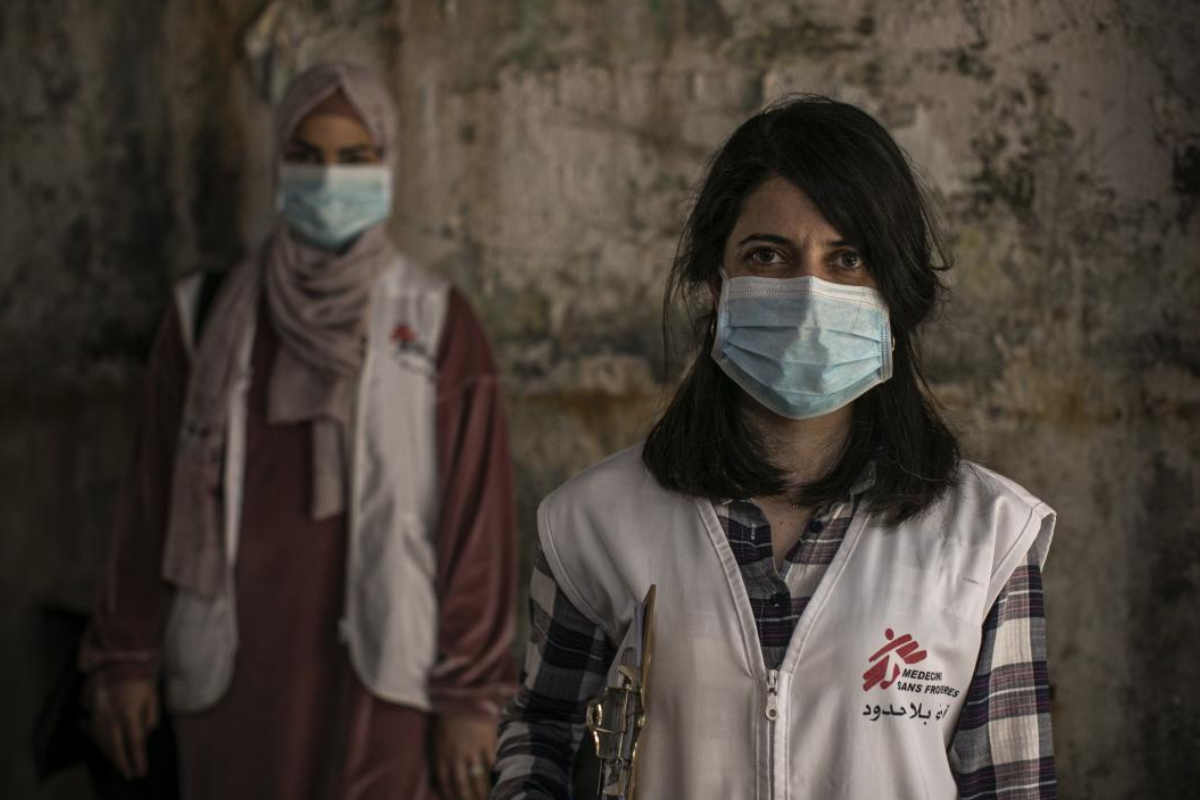
Médecins Sans Frontières (MSF or ‘Doctors Without Borders’ / Ärzte ohne Grenzen) is an international medical NGO of French origin best known for its projects in conflict zones and in countries affected by endemic diseases. In 2019, the group was active in 70 countries with over 35,000 personnel mostly local doctors, nurses and other medical professionals, logistical experts, water and sanitation engineers and administrators.

In 2020, Vision Health Pioneers donated 535 Euro – 5 Euro per mentor, coach, investors and juror that supported us. Donate!


In 2020, Keith Grimes raised more than 1500 Euro for Movember! Vision Health Pioneers donated 275 Euro for this good cause. Mental health and suicide prevention, prostate cancer and testicular cancer – the Movember is taking them all on. Since 2003, Movember has funded more than 1,250 men’s health projects around the world, challenging the status quo, shaking up men’s health research and transforming the way health services reach and support men. Donate!


Again, thank you for staying strong in 2020. We are looking forward to tackling 2021 with you!


Categories
Events

Man on a Mission: Medtech innovator Keith Grimes on what it takes to turn a dream into reality

While the global pandemic has brought a host of stressors for doctors like Keith Grimes, it has also – to his eyes, opened many meaningful doors that would otherwise have long remained shut.

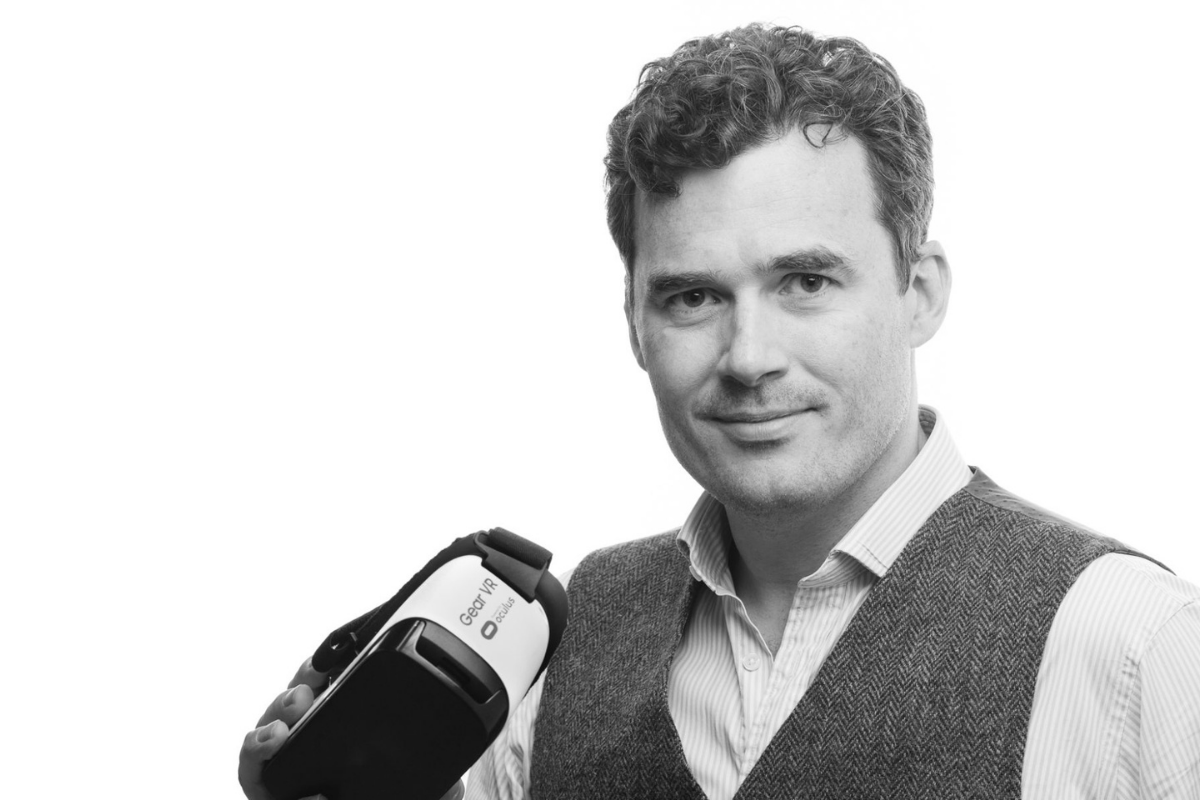
The British general practitioner and medtech innovator has been campaigning for almost 30 years for the acceptance of digital health, and has garnered acclaim for his pioneering work in clinical VR and artificial intelligence.  

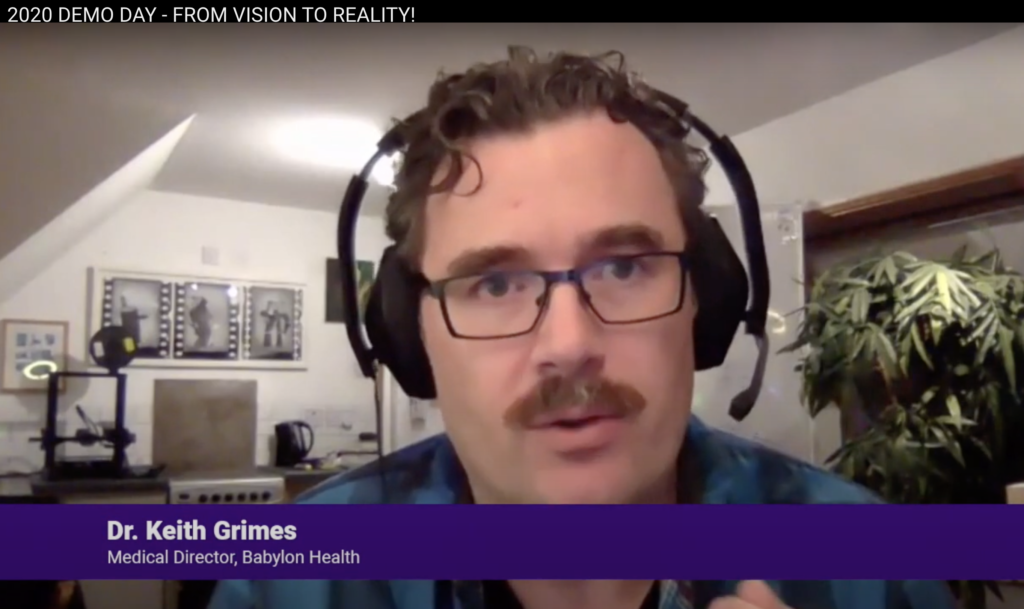
Speaking to the virtual audience who tuned in to witness the first demo day of Vision Health Pioneers, he described seeing a “real explosion in the acceptance of digital health,” enabled by the urgent need to implement cutting-edge technologies that could improve patient care and relieve burden on healthcare workers.

This newfound openness has been a long time coming, Grimes said, describing how he has been advocating for the kinds of technologies that have been put in place in response to COVID-19. He faced a great deal of resistance along the way.

He was speaking at the first incubator Demo Day – a special milestone in celebrating the work of our entrepreneurs who have come up against a host of their own challenges through this extraordinary year. 

Resistance to change is inevitable 

While our entrepreneurs have experienced a host of difficulties this year, Grimes pointed out their fortune in having the opportunity to turn a dream into reality with the support of an incubator. 

“I wish I had been able to join you when I was your age. Because I came out of medical school at the age of 23 and then dropped straight into this kind of conveyor belt that doctors have. There’s very little in the way of entrepreneurship within medicine. At least there wasn’t.”

That lack in entrepreneurship in healthcare is changing, especially now as the act of pursuing digital solutions becomes increasingly valued and accepted. 

“This is a wonderful opportunity for you to make a really, really meaningful difference to people who are sometimes marginalized,” he said. “Digital healthcare is a great way of reaching out to people that might otherwise not be able to get care,” he added.

In his talk, Grimes expressed envy at the opportunity the incubators first cohort enjoyed, while offering great advice on how to manage and overcome the barriers that those championing change –like the current cohort of seven startups –frequently face.

“The important thing about facing any barriers is that – if you want to try and achieve change, if you want to try and achieve anything truly different, you are inevitably going to face resistance,” he said, adding that struggle and failure will have to be dealt with along the way.  

A useful byproduct of struggle, he adds, is learning. Coming up against challenges provides you with opportunities to identify problems and determine the next way forward, he explained.

Grimes speaks with authority on the subject of pushing against barriers, having been confronted with many over the course of his career. The son of engineers who grew up with a strong passion for gaming (dreaming of a career writing games that his family vetoed), he pursued his second passion –medicine, and worked for twenty years on the frontline of primary care.

“Even when I went to medical school back in 1990, I was still really keen to try and use technology to improve patient care,” he said, describing a time that preceded the mass adoption of the internet, in which his enduring passion for technology reflected itself in efforts to explore and foster digital health solutions.

These efforts were waylaid owing to attitudes towards innovation at the UK’s National Health Service, which Grimes described as being ‘famously resistant to change and innovation up until now.’

Pushing against barriers brings up frustrations, he noted, adding that such difficult emotions are likely to arise amongst entrepreneurs operating today, too. Grimes reminded the cohort that it’s OK to feel frustrated sometimes, as much as it is understandable that obstacles will come along that might not make much sense.

“Resistance to change is universal, regardless of where you are. And, in some ways, it kind of doesn’t matter what evidence you bring to the party,” he said. 

‘Find the problem first and foremost’

Grimes has had a fascinating and quite diverse career – besides working as a GP, he has also earned the title of Clinical Digital Health and Innovation Director at Babylon Health, leading digital doctors around the world, while also establishing VR Doctors, an online forum supporting the immersive health tech community. 

His work has been fueled by an indefatigable drive to combine two passions: technology, and healthcare. Both passions excite him in quite different ways– the work of a doctor being driven by a sense of anxiety and dread that comes with trying to help people who are struggling with serious issues. The work of enabling technologies is stimulating in a very different way, he said.

“Being involved in the Startup space is a whole different energy, partly because you’re not holding life or death decisions that you do in clinical practise, which is nice,” he said, commending the upbeat albeit ‘tough’ nature of the startup world.

For those wanting to take a path similar to Grimes’ – that is, combining healthcare and technology in the pursuit of doing good – Grimes recommends focusing first on the grittier side of the work: the problem, as opposed to thinking more in terms of digital solutions.

“I encourage people, particularly if you’re working in healthcare, to find the problem first and foremost. It’s very tempting to sometimes lead with a solution. I’ve got a 3D printer here, you know. But it’s really, really important to understand the problem very intimately and be motivated by it for a long time,” he said.

Of Vision Health Pioneer’s first batch, Grimes pointed out that many of the teams had that background, whether it’s Advosense’s intimate understanding of geriatric care, or the personal experience INU Health brings to the project of exploring digital solutions to endometriosis.

This real-world experience combined with a dream for healthcare’s digitally-driven future is what drives Grimes’ mission as much as it does those of Vision Health Pioneers’ current and upcoming cohort– all of whom we are excited to help turn their visions into reality during this historic moment for digital health.

Categories
Inside the incubator

Smart support in your back pocket: How MySkills are revolutionising treatment for borderline personality disorder

Anne Florin and Patrick Hartwig created MySkills, a digital solution helping borderline patients cope with everyday challenges and crises common to the personality disorder that affects over a million people in Germany today and which is characterised by impulsiveness, instability of emotions and mood, identity and interpersonal relationships.

Part of the first batch of Vision Health Pioneers entrepreneurs, the pair spoke to us about their mission to support borderline patients and the therapists treating them. Have a look at their answers to our questions:

How did the idea to set up MySkills come about?

Anne Florin: I am a therapist for social professions, specialised in dialectical behavioural therapy who has worked with people with borderline personality disorder for six years. I have led skill groups and witnessed many patients suffer each day with challenges that come with the disorder. Currently, patients are supported by being handed many thick skills manuals and a lot of paperwork, which is often impractical in everyday life. Besides, in moments of high stress, patients often can’t remember the exercises they need to do. So, I thought that a digital solution could help, and many people I spoke to who specialise in the subject agreed. Patrick is a UX/UI designer, and when I told him about my idea, he was immediately enthusiastic.

Please tell us a little bit more about borderline personality disorder and how it manifests in patients? 

Anne Florin: Unfortunately, the disorder, which is often associated with self-harm and problematic interpersonal behavior, is highly stigmatized. The truth is that borderline personality disorder affects its sufferers in very different ways.

People with this disorder have emotional reactions that are on average nine times stronger than what is commonly experienced, and take a lot longer to return to their initial emotional level. 85 percent of sufferers self-harm in some way (whether that is cutting, burning, having eating fits, threatening with suicide or engaging in risky behaviour). The suicide rate for the disorder is at 5 to 10 percent, with suicide attempts at around 60 percent of sufferers. Those with the disorder tend to have strong states of tension throughout the day.

Approximately 80 percent of people affected by BPD receive psychiatric or psychotherapeutic treatment. The chance of a complete cure of the borderline disorder is relatively small. The earlier and the more intense the outbreak of the disorder, the lower the probability of a cure. The gender distribution is 50 percent women and 50 percent men, with women receiving treatment significantly more often.

It must be said that the disorder manifests differently in everyone, so it is often difficult to make a diagnosis. Not everyone with BPD hurts themselves or is impulsive. Others instead feel an inner emptiness and withdraw. 

What relevant background/ experience do you bring to this project?

Anne Florin: Patrick Hartwig has ten years of professional experience as a UX/UI designer and design-lead. A passionate product designer, he enjoys creating positive professional experiences, and in this case can apply his knowledge to developing a sustainable, appealing, user-centered and useful product. In my case, having worked for six years on a certified DBT ward with people with Borderline Personality Disorder, I know all about the challenges that come with the disorder, alongside what treatment helps on a day-to-day basis.

Patrick and I work with a network of experts who continuously check our content to ensure its quality, including a data protection officer, various DBT therapists, the Borderline Network, a professor, and the patients themselves. They support us in helping validate and further develop our product, while sharing valuable insights from their everyday life with us. The president of the DBT umbrella organization, Christian Stiglmayr, is an incredibly experienced advocate and partner for MySkills whose support we are very grateful for.

How exactly does MySkills work, and what does the app offer its users that is not otherwise available? 

Anne Florin: In Germany, about 1.4 million people are affected by borderline personality disorder. They usually have to wait for three to nine months to get treatment. They are often quite alone and lack the strategies needed to manage their disorder. In times of high stress, they struggle to remember skills that can help mitigate their tension, and so resort to the familiar coping mechanism that is self-injury.

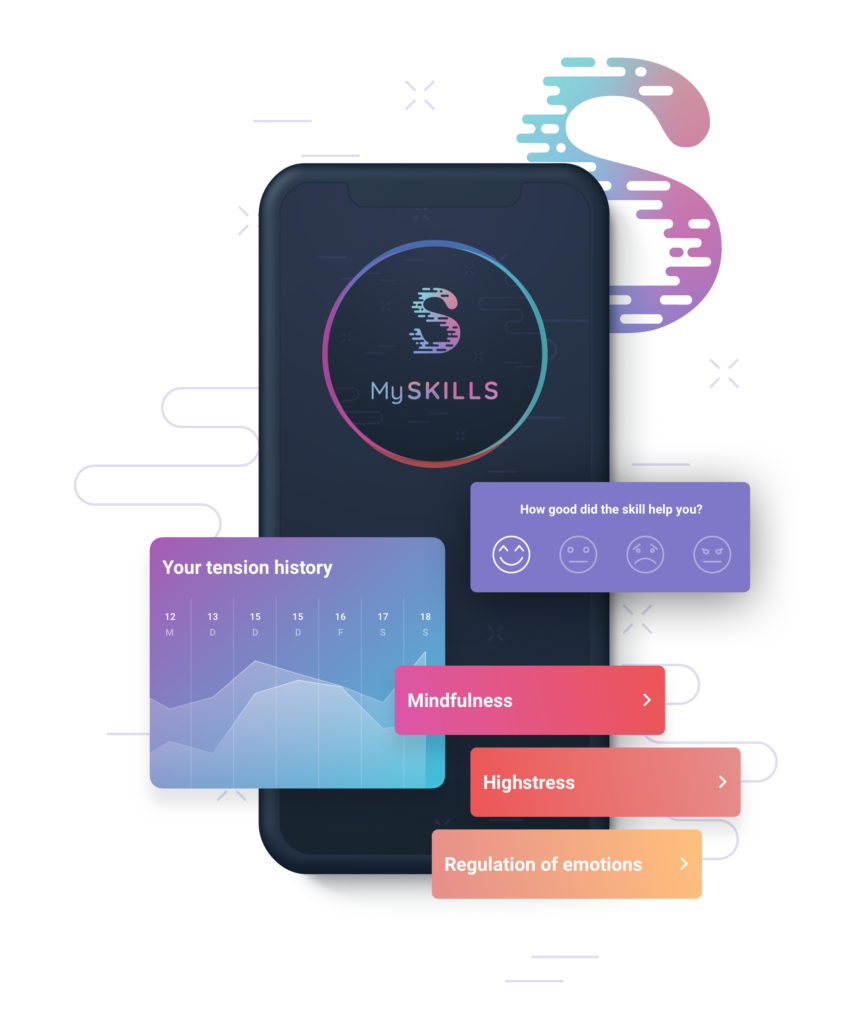
This is precisely where MySkills comes in: MySkills is the digital extension of the widely used dialectical behavioral therapy, which has the highest evidence level in treating borderline personality disorder and is the most common procedure in Germany. It’s an always-available mobile digital companion which interactively, intelligently, and individually supports the patient in implementing their therapy more effectively in everyday life.

The app currently includes over 150 exercises (Skills), analysis, educational content, and so much more. We support those affected in overcoming their problems by replacing their harmful behavior patterns with new healthy strategies.

Who is the MySkills target market and what are the steps ahead?

Anne Florin: The MySkills App is for people diagnosed with a borderline personality disorder. Next year, MySkills will become a prescription-only digital health application (DiGA) for doctors, therapists, and health insurance companies throughout Germany. This is currently possible with the new Digital Health Care Act. For now MySkills is only for the German market. We do not exclude the possibility of the other markets. 

How has it been like working with Vision Health Pioneers? 

Anne Florin: The Vision Health Pioneers Incubator program is the best thing that could have happened to us. Before this, we were both working full-time in our other jobs while developing MySkills on the side. Thanks to Vision Health Pioneers, we were finally able to work full-time on this. That was a big step for us. Vision Health Pioneers has an incredible number of great mentors who have supported us. It’s incredibly helpful to be able to interact with all of them and to develop yourself further. I used to work in a clinic, so everything was new to me. I was able to learn many relevant topics here – that was incredibly exciting. We owe a lot to Vision Health Pioneers, mostly in being able to turn an idea into a business. There were ups and downs, but the learning process was enormous. We really can only recommend that everyone goes through this program.

Categories
Inside the incubator

Something to celebrate – mila.health secures investment!

What a great way for mila-health to end the year and the Vision Health Pioneers Incubator program – with investment from the Berlin early-stage investor Atlantic Labs, together with other angel investors such as Julian Blessin, Alan Poensgen, Andreas Schneider and Friedrich A. Neuman. 

Mila.health is designed to support organisations to proactively promote the mental well-being of their employees and establish a culture of support and understanding.

See mila-health Co-Founder Ines Räth, announce this fantastic news alongside Co-Founder Jonas Keil and mila.health Psychological Expert Rosanna Wendel, during the Startup’s live pitch from our 2020 Demo Day in the video below:


Vision Health Pioneers entrepreneurs Jonas and Ines have been working on banishing mental health stigmas and finding digital solutions for a host of widespread psychological issues. Learn more about their journey before and during their time at the Incubator, as well as what sparked this Startup idea.  

Jonas Keil had always wanted to start his own company, but it was only last year, on hearing about the mental health issues many of his peers suffered from in silence, that he resolved to turn that dream into reality, founding mila.health alongside Ines Räth in September. 

“We were talking to friends a lot about mental health, and we realised everyone was struggling with topics like uncertainty, insecurity, not having purpose and impact,” he says, adding that what many grappled with most was articulating this in a workplace setting, owing to stigmas surrounding mental health that pervade German society. 

Ines and Jonas, who have known each other since studying a Masters in Business Management at the Julius Maximilians University in Würzberg, set about conducting interviews with a host of subjects, discovering that an alarmingly high number of friends and acquaintances were struggling and that many were trying but failing to find spots for psychotherapy for weeks and even months.

One friend in particular, who had quietly, almost imperceptibly, been managing severe symptoms of depression alongside panic attacks, shocked Keil into recognizing how difficult it can be to speak up, even among trusted friends, about psychological issues that are actually quite common but which can be especially challenging to those uncomfortable with the idea of being vulnerable and getting help. 

Battling an unhealthy mindset 

It’s a problem that Keil sees as being rooted in German culture, where qualities such as productivity and strength are held in high regard such that it is quite difficult to admit perceived failings and weaknesses, especially in a professional context which comes with a host of pressures around performance.

“Germany is pretty bad at tackling mental health issues… the stigma around it here is so big. It’s the way we’ve been raised –it’s kind of all about performance. Being good at school, getting good grades, working hard and going to university. Everyone wants to be strong and not show any weakness. And with that mindset facing challenges, it’s hard,” he says. “This is why we decided to do something in this space.”

One of Vision Health Pioneer’s first batch of start ups mila.health takes aim at such stigma while enabling employees to seek help as and when they need it via a digital health resource covered by the user’s company. 

It has done so since September, when Ines and Jonas quit their jobs to work full time in turning the mila.health dream into a reality, a project that became all the more manageable once they were accepted on the programme and moved to Berlin, where they could enjoy a lively space and community.

“Everyone has been super supportive since the beginning,” says Räth. “And it was nice to have a space, because we had been working from home in the beginning,” she added. 

In December last year, mila.health grew to include Co-Founder and CTO Catalina Turlea, who left her job to work full-time with the team from her Munich-base, where she applies her extensive experience as a software and mobile developer to technical implementation tasks including App-building, and data infrastructure and security management.

The service they’ve devised since then encompases a fleet of programs talking users through various topics, from advising them on how to build resilience and manage stress, to empowering them in exploring strategies promoting mindfulness and self-esteem. What’s more, users have access to a variety of psychologists operating in a range of languages, making it all the more easy for a user to seek and receive support as and when needed. 

“We want to make it normal for employees in companies to talk about their mental health and work on it,” says Räth, describing how what they aim to do is create a safe space for mental health at work, offering a host of personalised resources that work in a “‘preventative’ way before issues start to fester and require more clinical resolutions.

While Keil and Räth’s backgrounds are rooted in the business worlds, they have brought in a third member of the team – psychologist Rosanna Wendel – who creates all materials and programs and whose background offers the insight and expertise complementing what the pair bring to the project in terms of building and growing a sustainable and impactful digital solution.

mila.health’s business model is designed to work along similar lines to a resource such as Urban Sports Club, where companies pay for a service available for employees, under a premise mila.health has that individuals should proactively care for their mental health similar to how one actively works on one’s physical health through sports.

“We like to compare physical health to mental health,” says Keil. “If you go back 50 years and saw a man running in the street you would have said: “What is that crazy guy doing? But now it is totally normal, people do all sorts of sports.”

Pragmatic and meaningful arguments

And just as initiatives like Urban Sports Club pitch to potential clients the benefits of having a healthy and happy workforce, so is this an important selling point of Mila Health –something which they articulate to the larger, more established companies they pitch to.

“We try to convince companies (that they need our services) by the numbers. We give them the number of absences that come from mental health issues, and what it costs when people struggle at their company,” says Räth.

Many companies also just want to offer their employees the right support, especially in uncertain times like these.

“During Corona, there have been cases of employees feeling isolated, and employers just want to take care of them,” says Räth, adding that the pandemic has raised a lot of awareness around mental health, meaning more and more employers are looking for ways to help foster healthy coping strategies during challenging times. 

So for Mila Health, while Corona has brought a host of challenges, it has also gone some way to opening doors in a time in which sophisticated healthcare solutions are needed more than ever. 

And through that journey, both have equipped themselves with tools to create something meaningful that chimes with a shared passion for bringing change to workplaces in Germany and beyond.
 

Categories
Events

Rewatch the 2020 Demo Day

The 2020 Demo Day was an event to remember! Not only for the Startups but for the whole Vision Health Pioneers community and we want to thank everyone who joined in on the celebrations with us!

The virtual occasion was hosted by the Master of Ceremony and Founder of Record Once, Justin Halsall who led the Digital Healthcare Startup evening, which included an inspiring discussion with the Founder of VR Doctors and Medical Director at Babylon HealthDr Keith Grimes, as well as 7 pitches from our Startups – whereby they presented what they have achieved over the last 9 intensive months at the incubator. 

In case you weren’t able to join us live on November 26th or if you want a playback of the excitement, we have you covered!

So go ahead and rewatch the 2020 Demo Day now! See the full version of the event below.


Here is the event agenda with timings, so you can go directly to your desired section within the youtube video. Just click on a section below:  


Startup Pitches


Curious to see more? Here is some sneak peek behind the scenes content from our Startups teams, just before they took to the virtual stage and pitched on the night! 

Left: Dzmitry Salauyou – Founder & CEO of My Paramedic
Right: Patrick Hartwig – Co Founder of MySkills
Top left & bottom right: Linda Wonneberger – CMO of hers
Top left & top right: Yair Kira – Co Founder of hers
Bottom left: Justin Halsall – Demo Day Master of Ceremony & Founder of Record Once
Left: Ana Catarina Roche – CEO of Inu Health
Left/ Middle: Isabelle Soleil – CSO and Co Founder of Inu Health

After an intensive 9 months of hard work the Startups have come to the end of the program. But even though they will soon leave the incubator, they will always remain part of the Vision Health Pioneers alumni family.

Make sure you stick around and keep up with all future Vision Health Pioneers Incubator announcements by subscribing to our newsletter!